Practical CNC machining articles for overseas buyers who need to understand process selection, tolerance, cost factors, supplier communication, and drawing-based quotation.
Start Here
- What CNC turning is and when to use it
- How tolerance affects machining cost
- How material and geometry affect quotation
- What information to send for a complete RFQ
Buyer Guides
- Choosing a CNC machining supplier
- Understanding cost drivers before sending RFQ
- Checking whether a supplier can review drawings
- Using case studies to compare similar parts
Internal Links for Buyers
- Read the CNC turning guide for shaft and bushing projects
- Read the supplier guide before comparing quotations
- View case studies before uploading a drawing
- Use the RFQ page when files are ready
Related Pages
New Buyer Guides for CNC RFQs
Recent practical guides based on CNC machining quotation, small precision turned parts, deburring, shaft prototypes, and surface finish questions.
Upload Drawing / Get Quote
Send STEP, STP, PDF, DXF, DWG, IGES, ZIP files, or sample photos. Include material, quantity, tolerance, surface finish, and target delivery requirements for review.
Additional CNC Machining Buyer Guides
These guides help buyers prepare clearer drawings, tolerance notes, inspection requirements, and RFQ information before requesting a quote.
What Information Is Needed for a CNC Machining Quote?
A useful CNC machining RFQ should include drawing files, material grade, quantity, tolerance notes, surface finish, inspection requirements, and application information. The more complete the RFQ, the fewer assumptions are needed before price review.
How Much Does CNC Turning Cost?
CNC turning cost depends on material, diameter, length, setup time, machining time, tolerance, threads, grooves, surface finish, inspection, quantity, and packing requirements. A drawing review is required before a reliable price can be confirmed.
Stainless Steel Shaft Machining: Process and Tolerance Guide
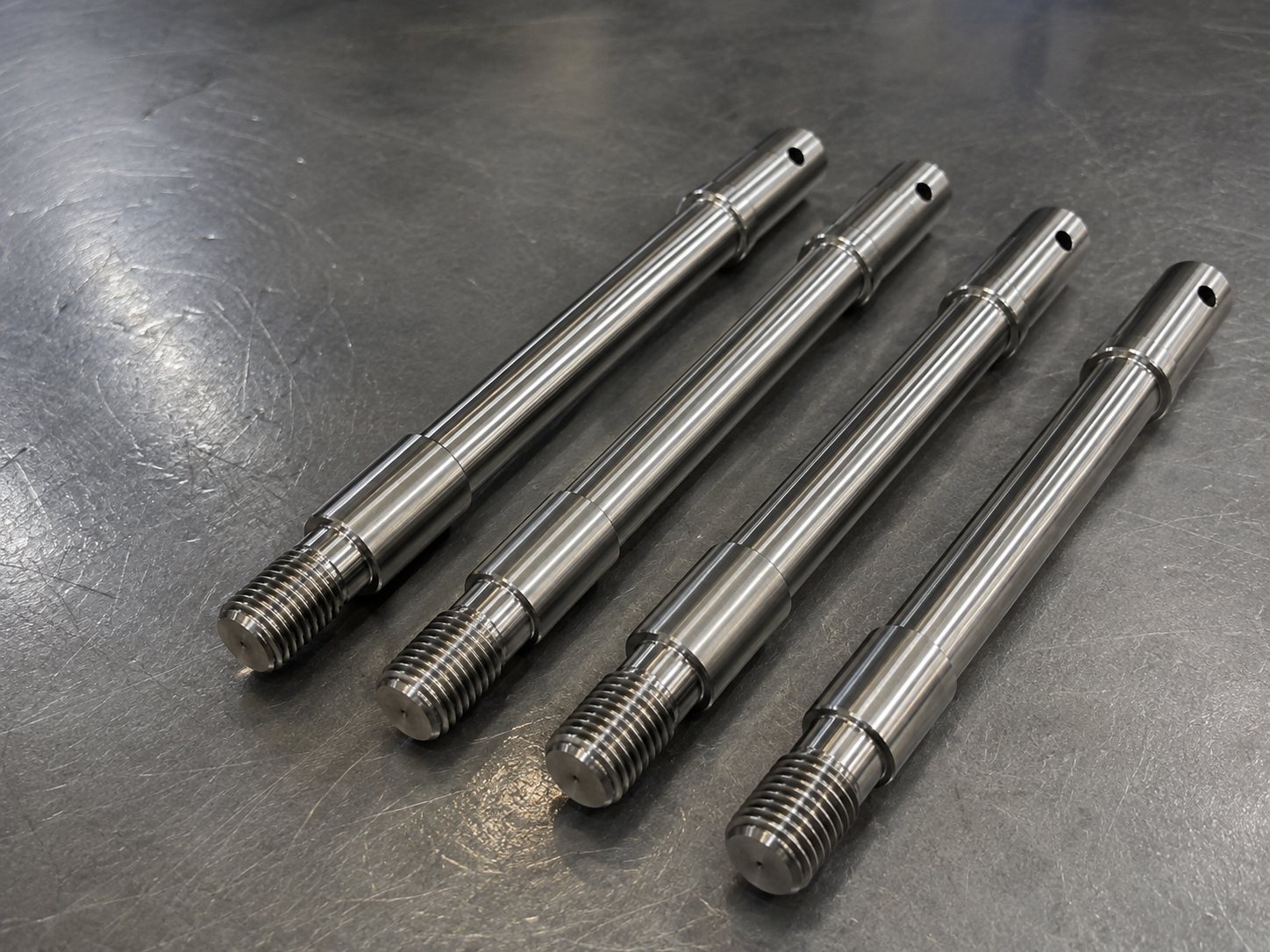
Stainless steel shaft machining requires review of material grade, length-to-diameter ratio, critical diameters, straightness, thread details, holes, surface finish, deburring, inspection, and packing before quotation.
CNC Turning vs CNC Milling: Which Process Fits Your Part?
CNC turning is usually used for round parts such as shafts, sleeves, pins, and connectors. CNC milling is usually used for flats, holes, slots, pockets, plates, and brackets. Some parts need both processes.
Common RFQ Mistakes for Custom CNC Parts
Common CNC RFQ mistakes include missing drawings, unclear material, no quantity, undefined tolerance, missing thread details, unclear surface finish, no inspection scope, and no packing requirements for sensitive parts.
Related CNC Machining Pages
Use these pages to compare similar part types, machining processes, materials, and RFQ preparation notes before sending a drawing.