CNC Milling Services
What is it
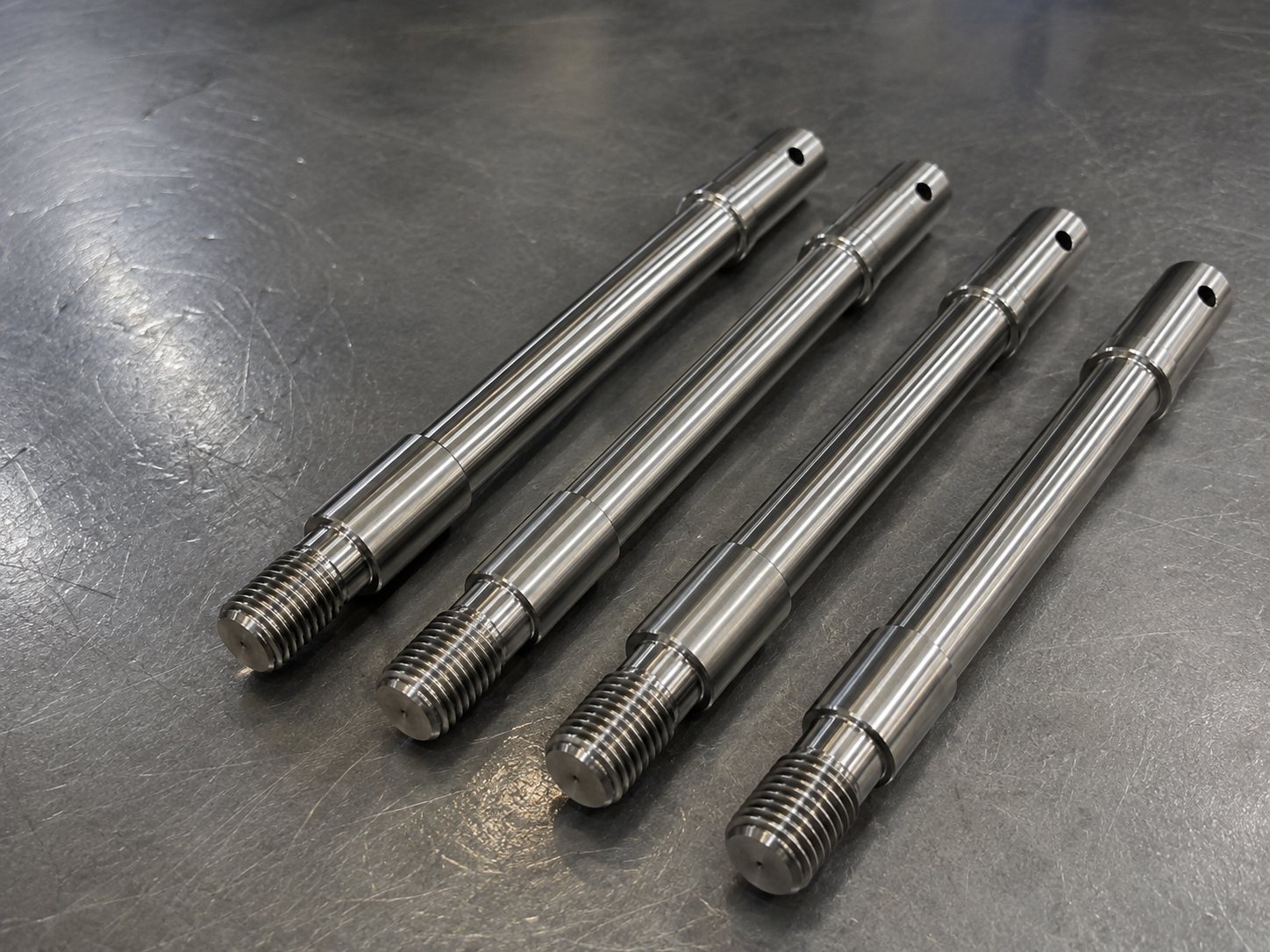
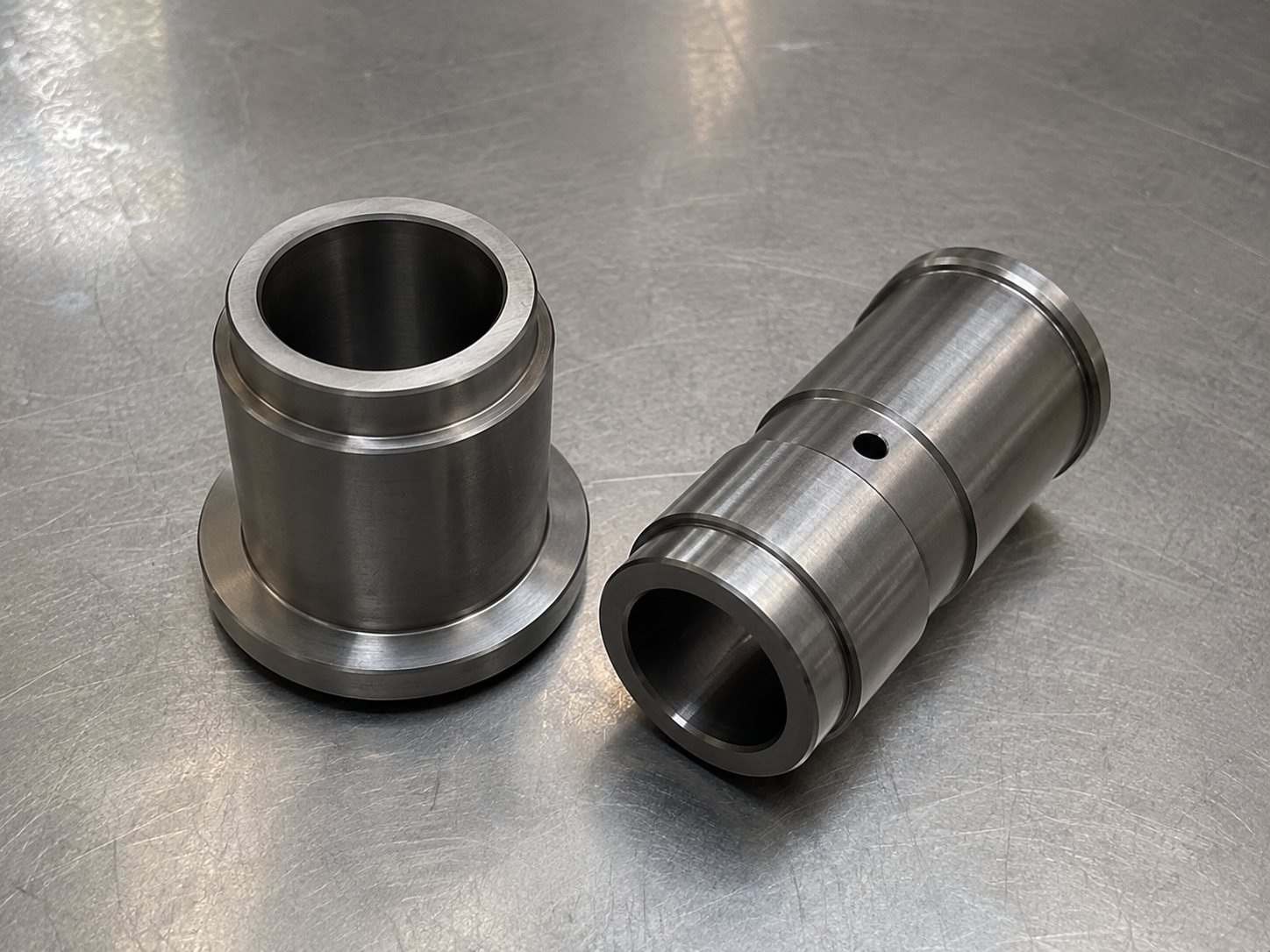
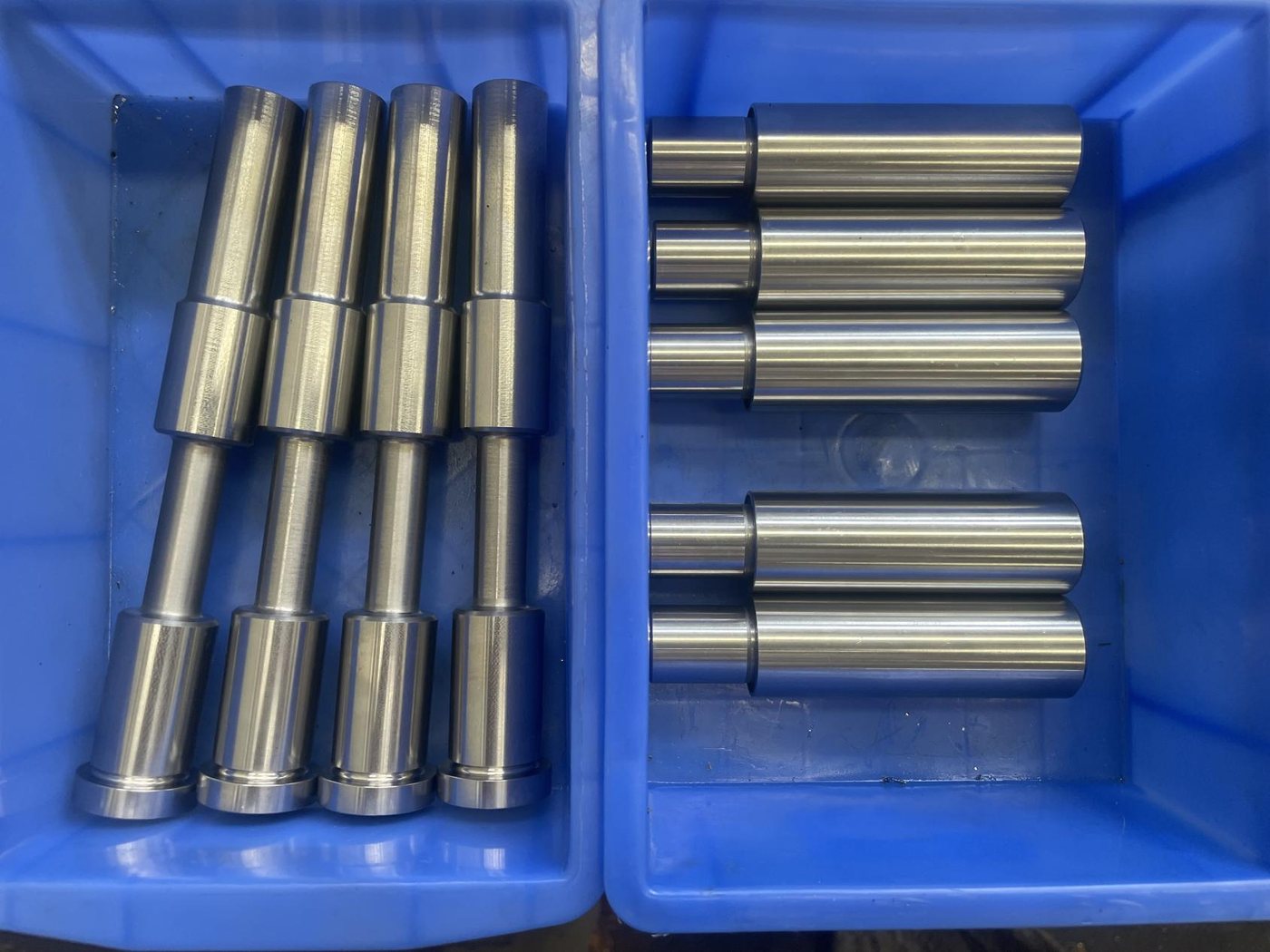
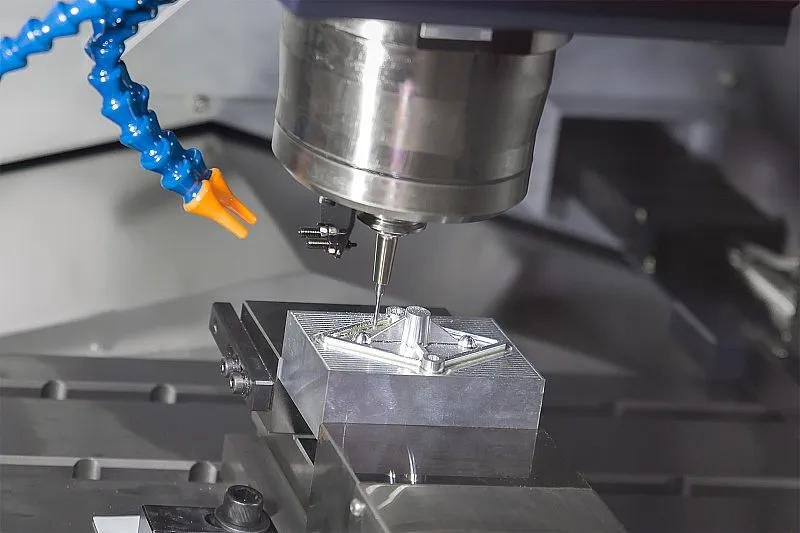
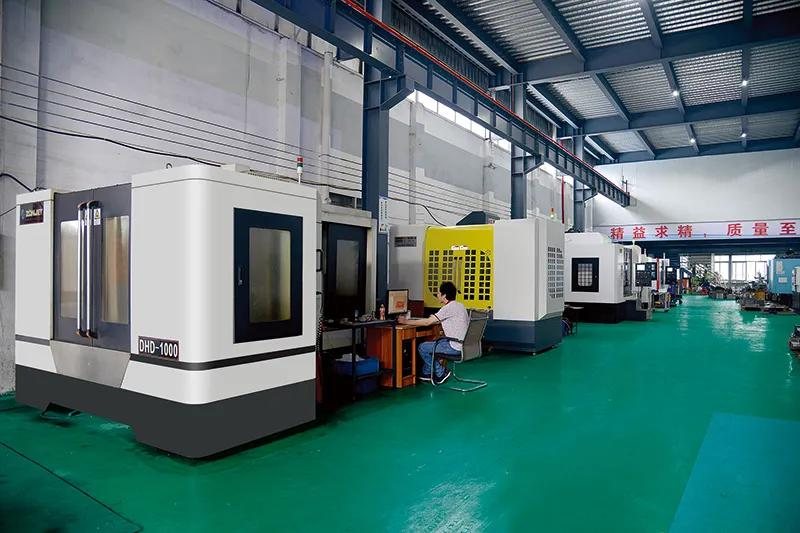
CNC milling is used for flat surfaces, pockets, slots, holes, chamfers, and secondary features on custom metal parts. It is often combined with turning for connector, shaft, and fitting components.
Capabilities
- Milling flats, slots, pockets, and profiles
- Drilling, tapping, counterboring, and countersinking
- Secondary milling after turning
- Prototype and small-batch machining support
Typical parts
- Milled brackets and blocks
- Connector bodies
- Turned parts with flats or side holes
- Custom machined parts from STEP/PDF drawings
Materials
- Aluminum
- Stainless steel
- Carbon steel and alloy steel
- Brass, copper, bronze
- Engineering plastics
CNC Milling RFQs Need Datum, Hole, and Fixture Details
Milled parts can include flats, pockets, slots, holes, threaded holes, brackets, plates, housings, and secondary features on turned parts.
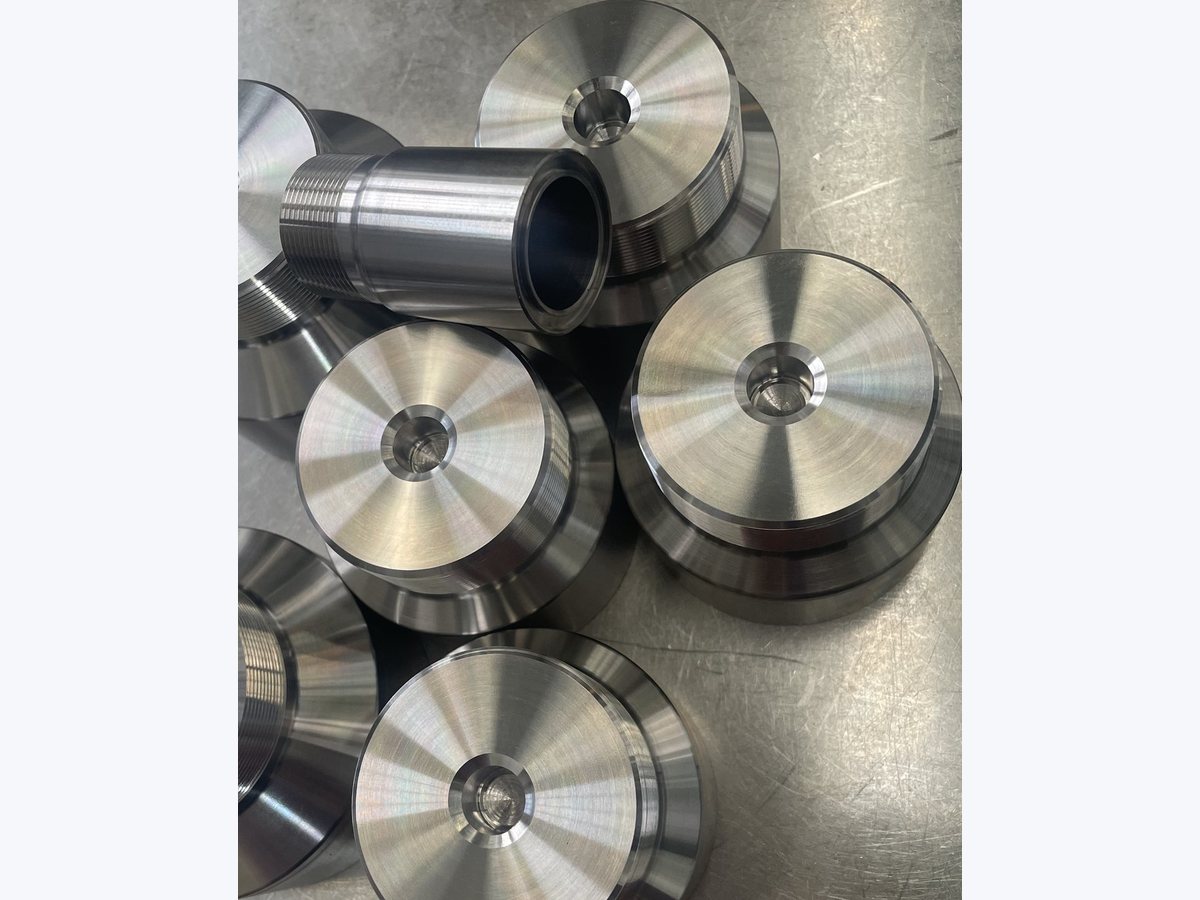
Milling tolerance depends on part size, material, wall thickness, and setup method.
Buyer Checks
- Mark datum surfaces and critical hole positions.
- Confirm pocket depth, corner radius, wall thickness, and tapped hole details.
- State whether cosmetic surfaces or flatness are important.
RFQ Details to Send
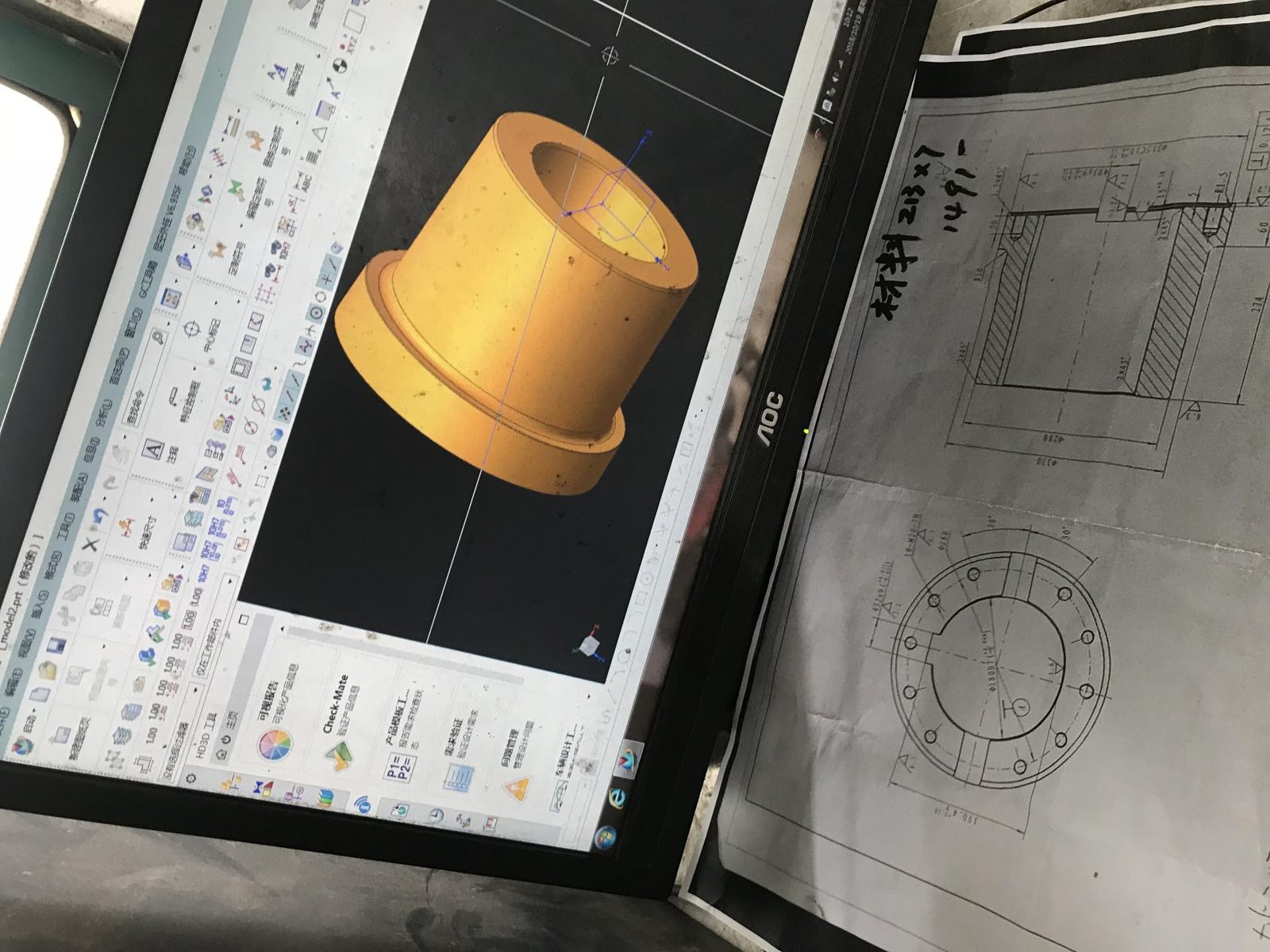
- Send 3D model and 2D drawing together for complex features.
- Include material, quantity, tolerance, finish, and inspection notes.
- Add mating part photos if hole alignment or assembly fit is critical.
Related CNC Machining Pages
Use these pages to compare similar part types, machining processes, materials, and RFQ preparation notes before sending a drawing.