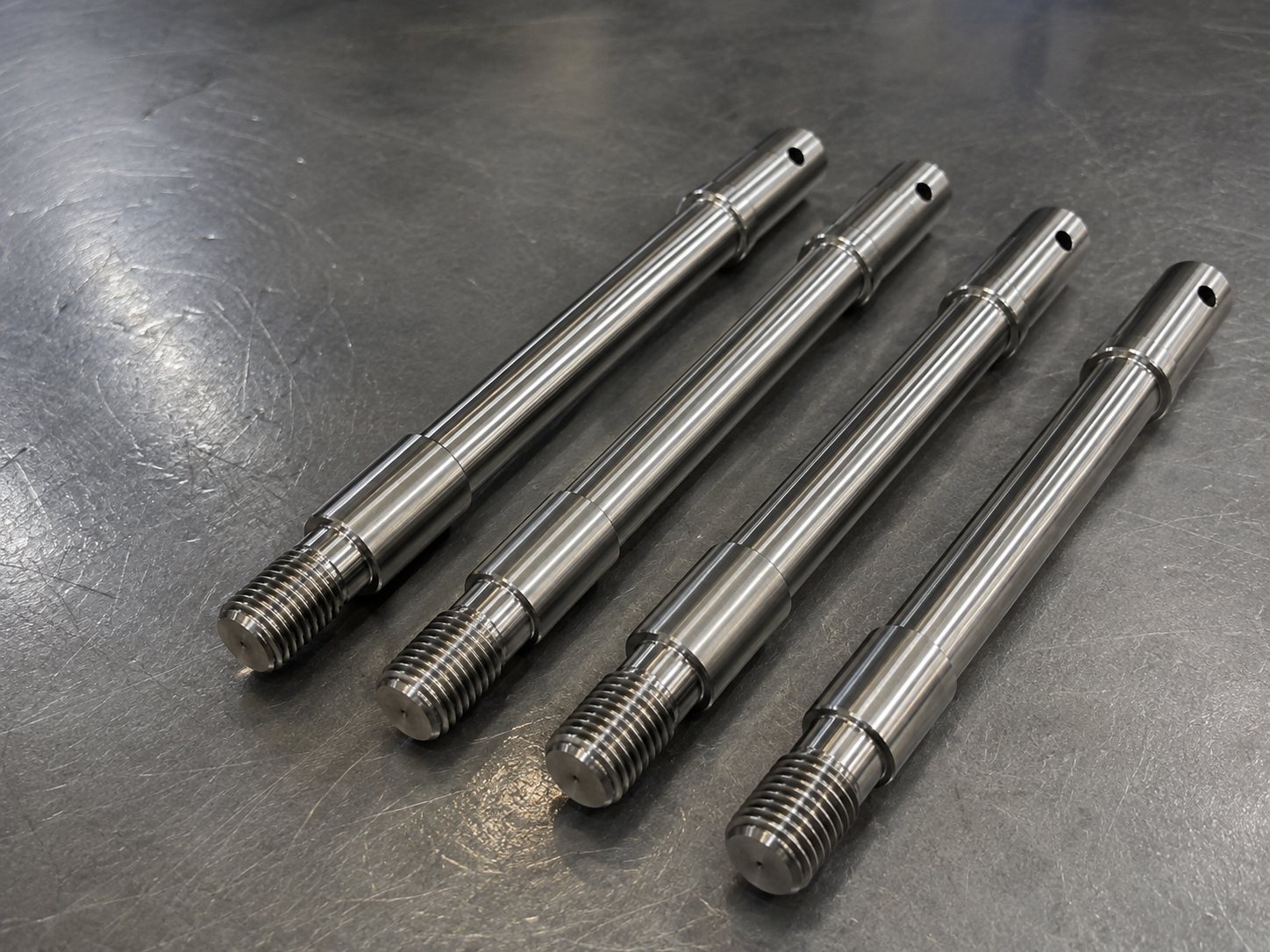
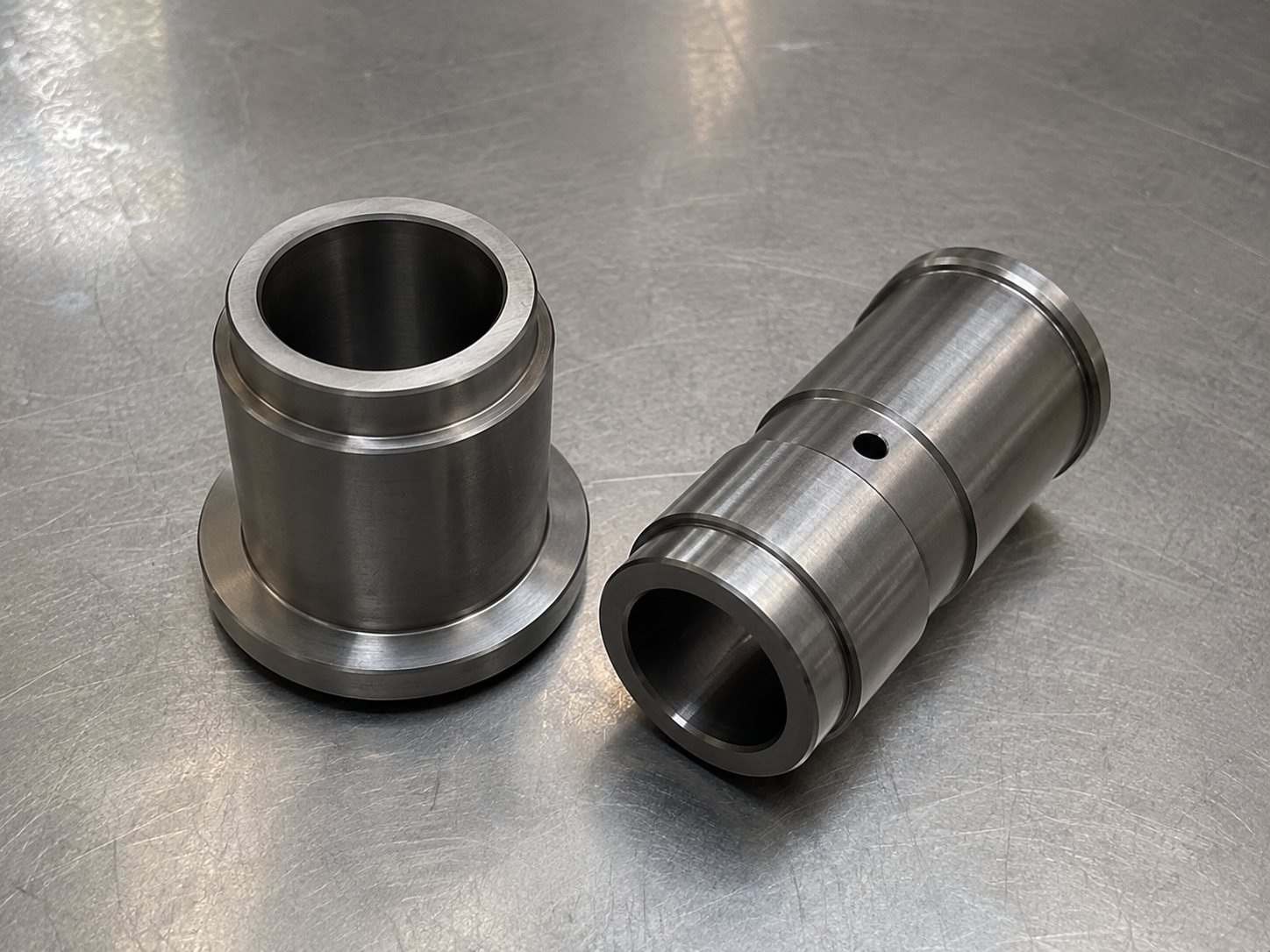
CNC turned shafts and precision pins are common components for machinery, fixtures, guide systems, rollers, automation equipment and assembly hardware. MasterCNC Precision reviews shaft and pin drawings for machining method, material, tolerance and inspection requirements.
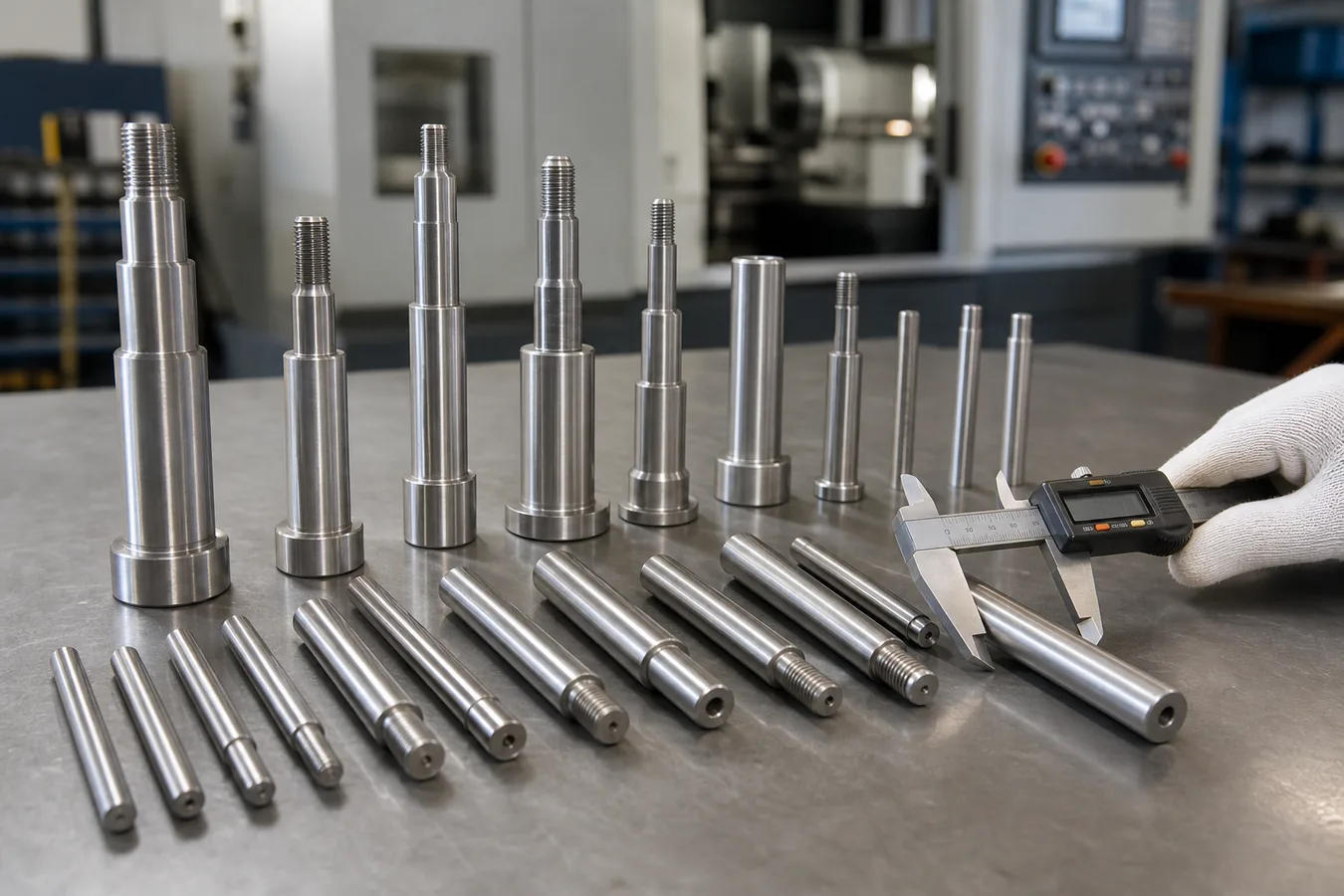
Representative machining example. Images on this page illustrate typical parts, materials and review points for quotation discussion.
CNC Turned Shaft and Pin Types
Shaft and pin parts may look simple, but quote accuracy depends on the functional surfaces and the relationship between diameters, shoulders, threads and overall length.
- Stepped shafts and straight shafts
- Locating pins, dowel pins and guide pins
- Threaded pins and shaft ends
- Small batch shaft and pin production from drawings
RFQ Review Points
For shaft and pin RFQs, please mark the features that affect fit and inspection. If the drawing does not define them clearly, we will ask for confirmation before quotation.
- Key outside diameters and length tolerance
- Concentricity, runout or straightness requirements when applicable
- Thread size, groove position, chamfer and shoulder notes
- Surface roughness, heat treatment, coating or packing requirements
Inspection and Handling Considerations
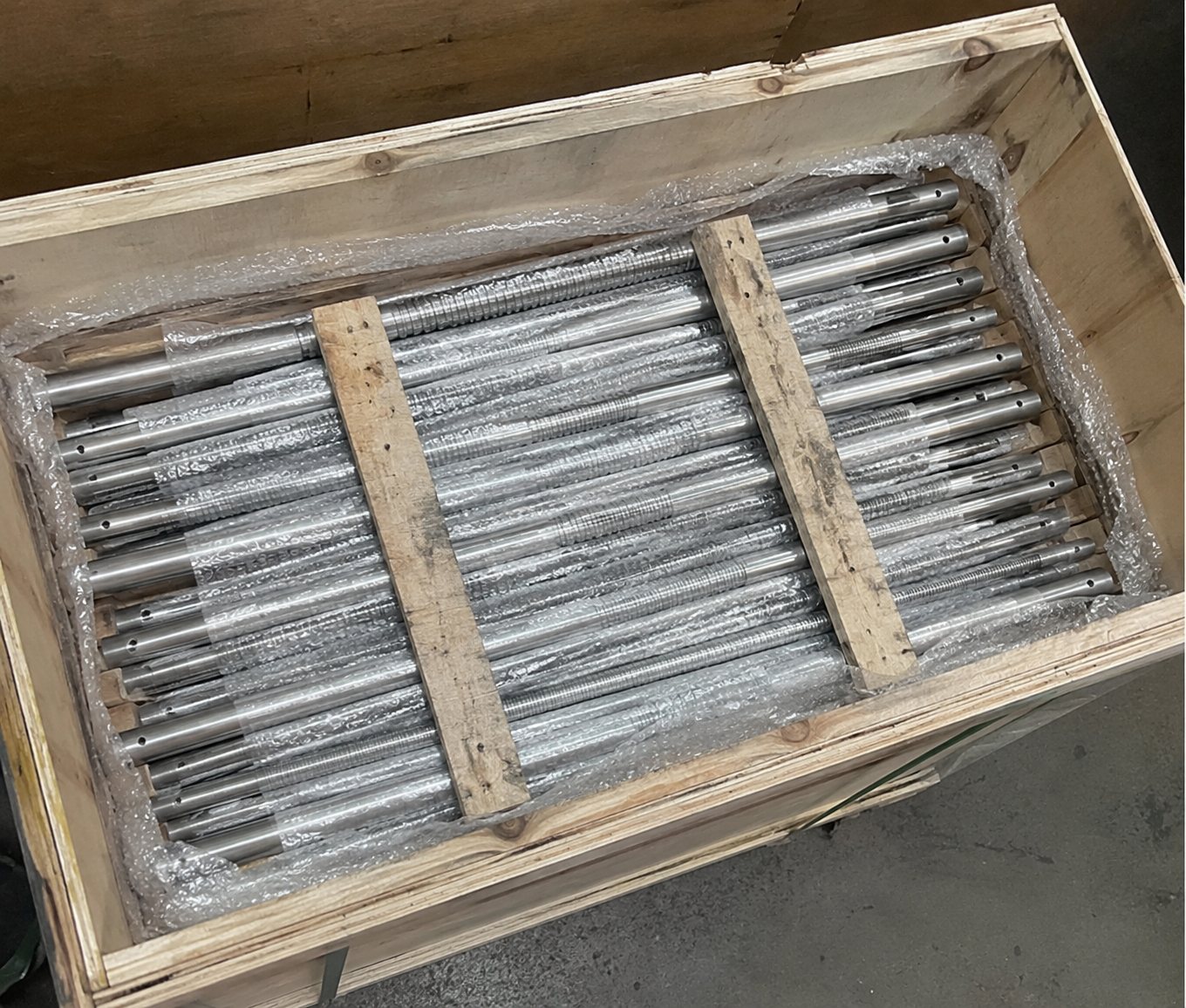
Long or slender shafts may need additional attention during machining, inspection and packing. For pins and short shafts, fit, burr control and thread condition are often the main review points.
- OD and length dimensional inspection
- Thread and edge condition review
- Surface protection for polished or functional areas
- Packing notes for long shafts or parts with finished surfaces
Related CNC Machining Pages
Get Quote
Upload your shaft or pin drawing with material, quantity and fit requirements for CNC turning quotation review.
CNC Turned Shafts and Pins: What Buyers Should Confirm
Shaft and pin quotations depend on diameter control, length, thread details, holes, grooves, and how the part is inspected after machining.
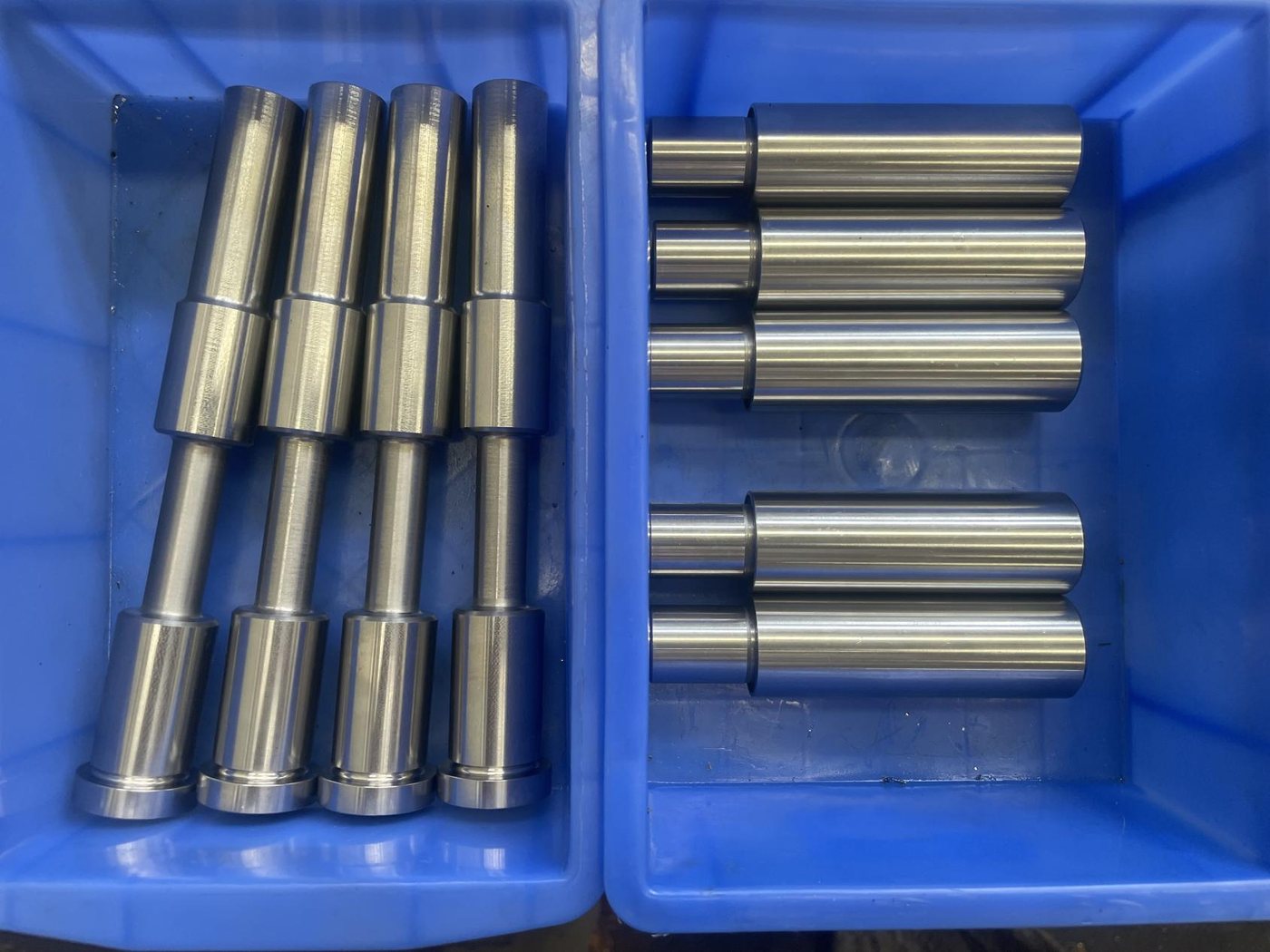
For long or slender shafts, straightness and surface protection should be reviewed from the drawing.
Buyer Checks
- Confirm bearing or mating diameters and required tolerance.
- Specify thread standard, thread length, chamfers, and undercuts.
- Show cross holes, flats, grooves, or secondary milling features clearly.
RFQ Details to Send
- Send 2D drawing plus 3D model when possible.
- Include quantity, material grade, finish, and target delivery.
- List inspection points for critical diameters and thread fit.
Related CNC Machining Pages
Use these pages to compare similar part types, machining processes, materials, and RFQ preparation notes before sending a drawing.