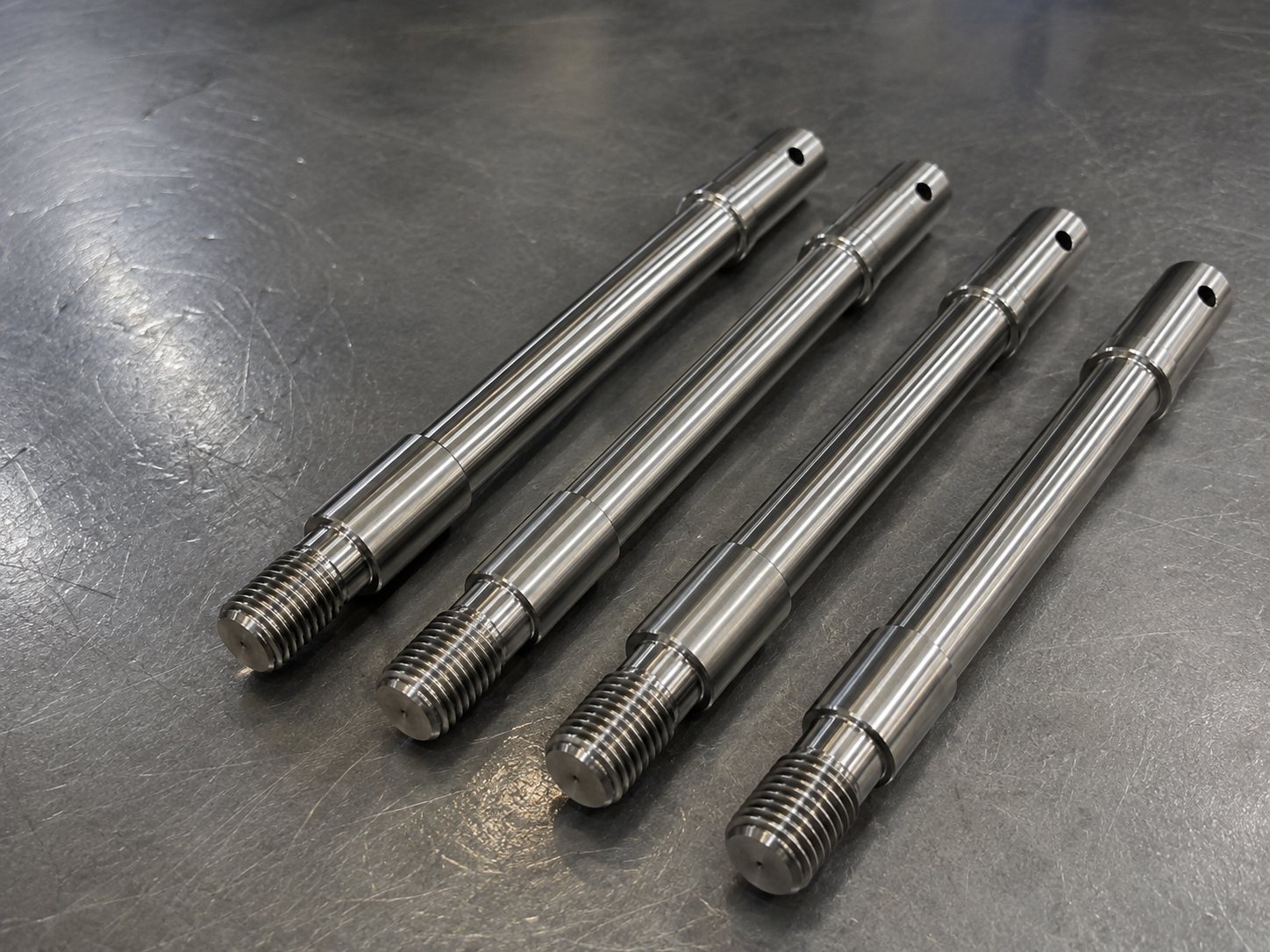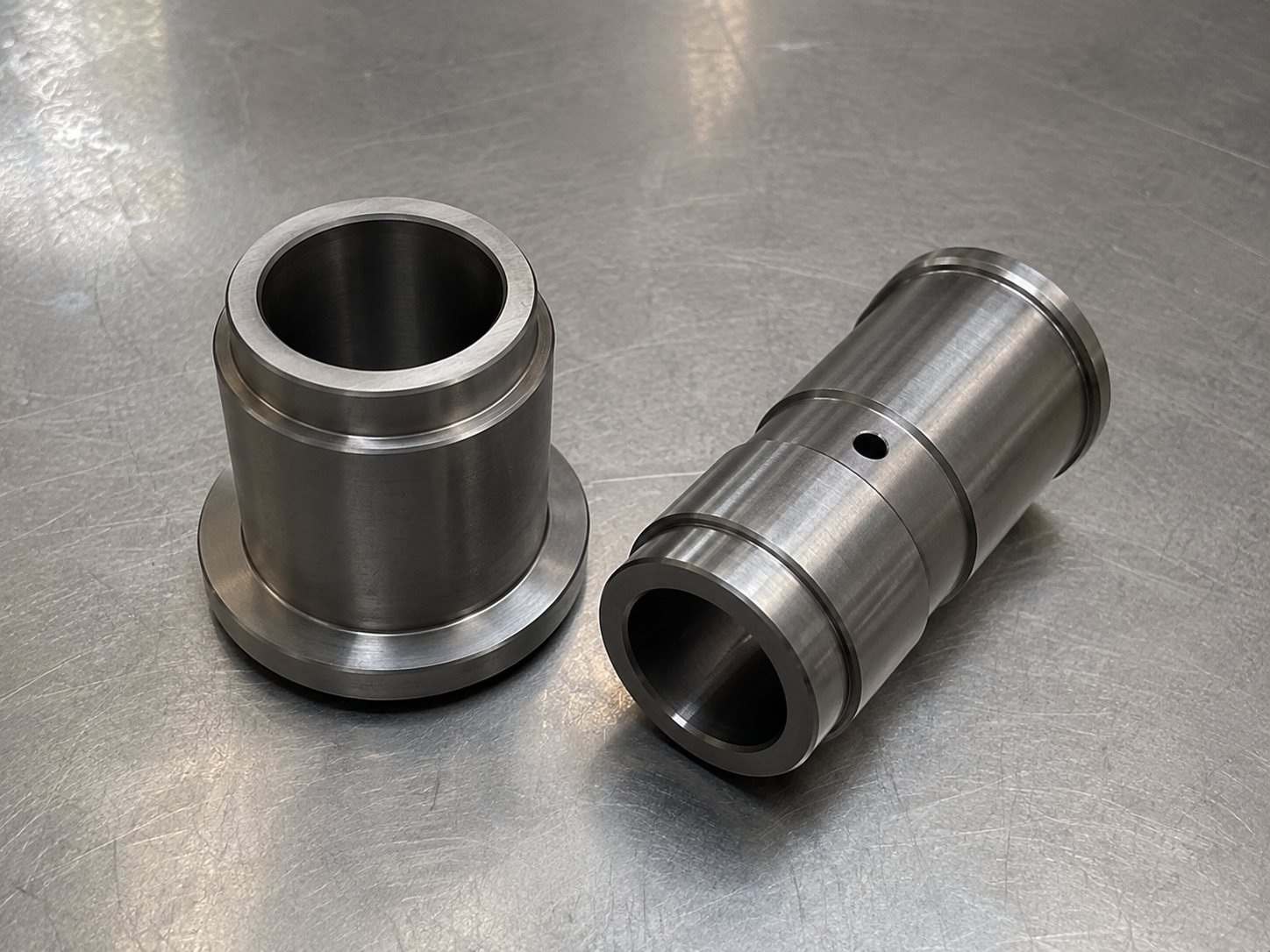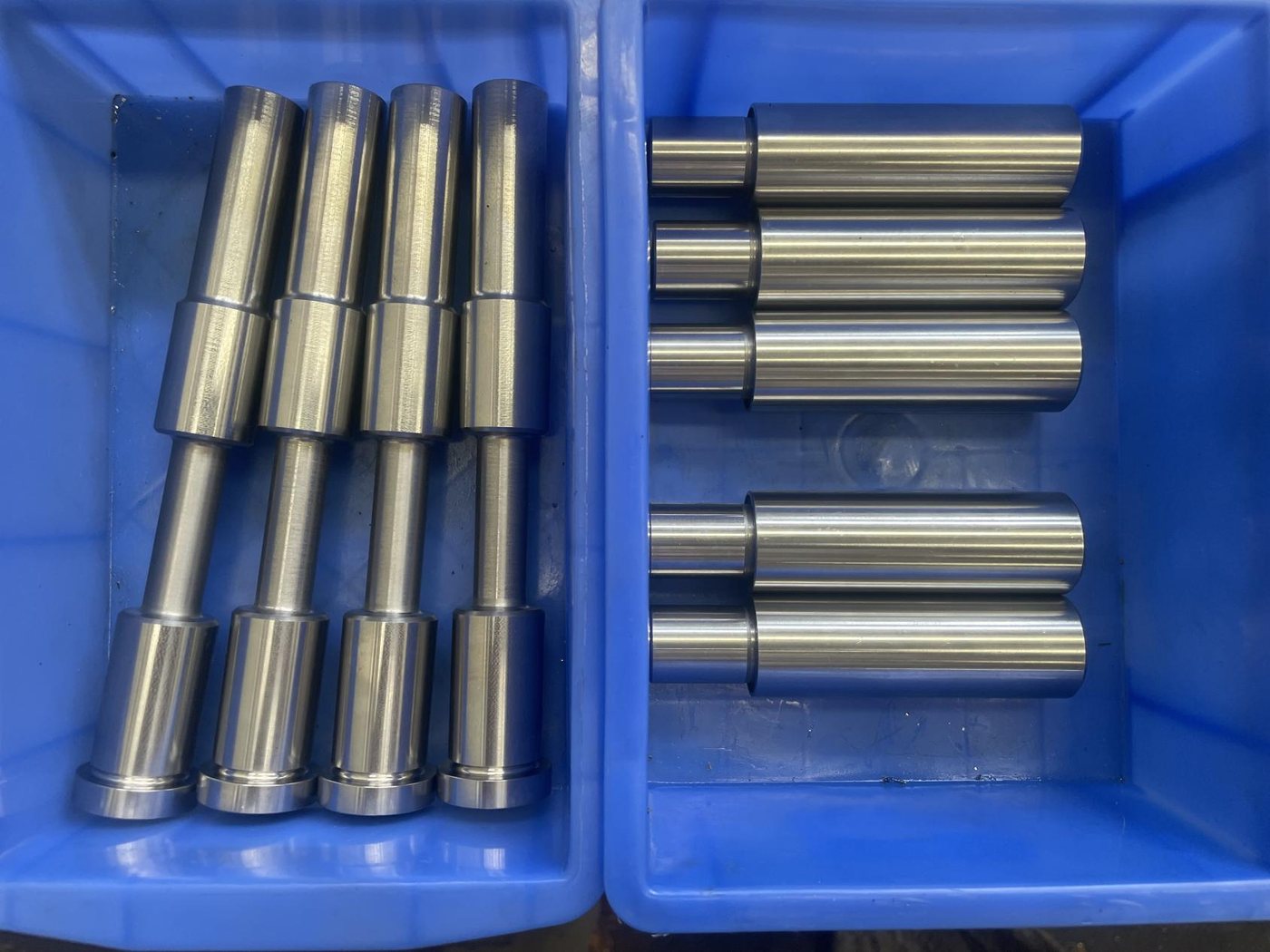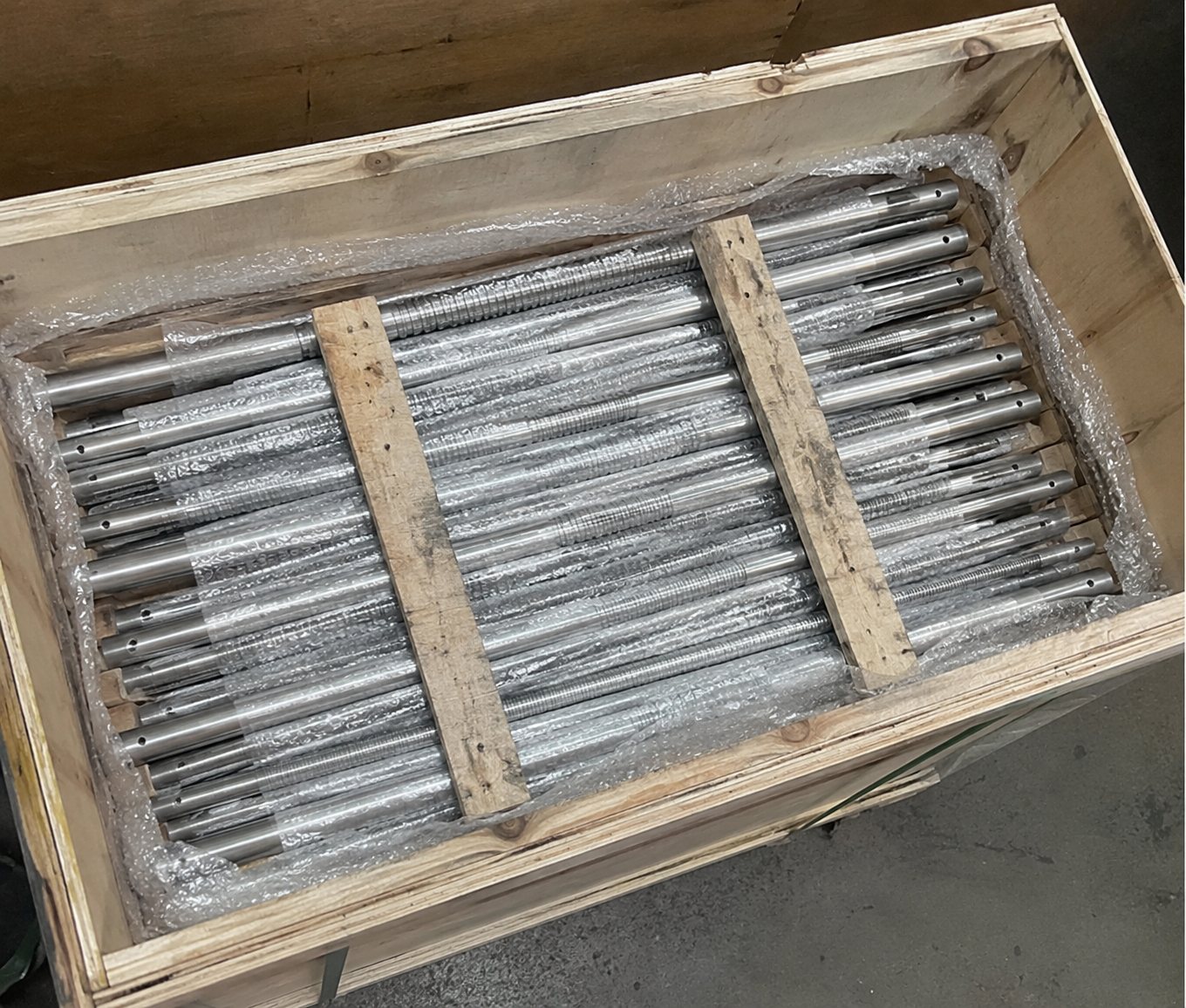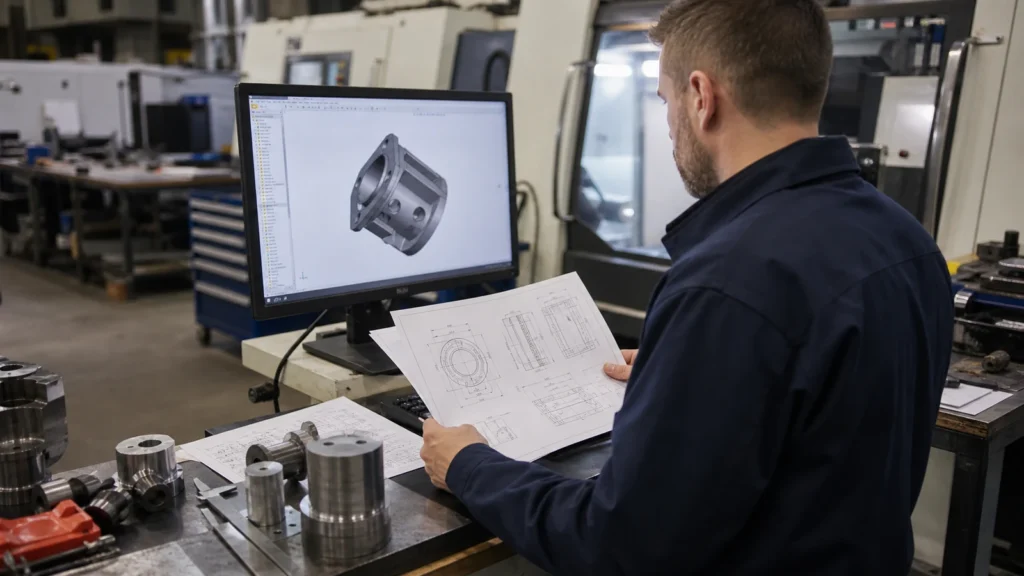
When an overseas buyer sends a CNC machining RFQ, the fastest quote is not always the most useful quote. A reliable quotation depends on how well the supplier understands the drawing, the material, the tolerance requirements, the expected surface finish, the production quantity and the inspection needs behind the part. If those details are not reviewed carefully at the beginning, the result can be a low initial price that changes later, a longer communication cycle or a part that becomes more difficult to manufacture than expected.
At MasterCNC Precision, drawing review is the first step before we prepare a machining quotation. We look at the technical package from a manufacturing point of view, not only from a purchasing point of view. A drawing may look simple at first, but hidden cost drivers can appear in tight fits, deep holes, thin walls, surface roughness notes, material grades, secondary finishing or inspection requirements. Reviewing these details helps us understand the intended function of the part and the practical manufacturing route.
This article explains how we review CNC drawings before quotation, what information matters most, and why a clear drawing package helps buyers receive a more accurate and practical CNC machining quote.
1. Drawing File Review
The first step in our quotation process is to check the files provided by the buyer. Common file types include PDF drawings, STEP files, IGES files and other CAD files. Each file type provides a different part of the technical information. A 2D PDF drawing is useful for confirming dimensions, tolerance notes, surface finish requirements, material callouts, thread specifications and inspection remarks. A 3D CAD model helps us understand the geometry, machining features, undercuts, tool access and possible clamping direction.
For a complete CNC machining drawing review, the best package is usually a 3D model together with a 2D drawing. The model helps us evaluate the shape and machining route, while the drawing confirms what needs to be controlled. If only a model is available, we can often provide an initial manufacturing discussion, but we may still ask for missing tolerance, material and finish information before final quotation. If only a 2D drawing is available, we can review the main dimensions, but complex internal features may need additional clarification.
We also check whether the drawing revision, units, projection method and notes are clear. Small details such as metric versus inch units or an outdated drawing revision can lead to unnecessary quotation changes. A clear file set helps both sides avoid repeated back-and-forth communication.
2. Material Verification
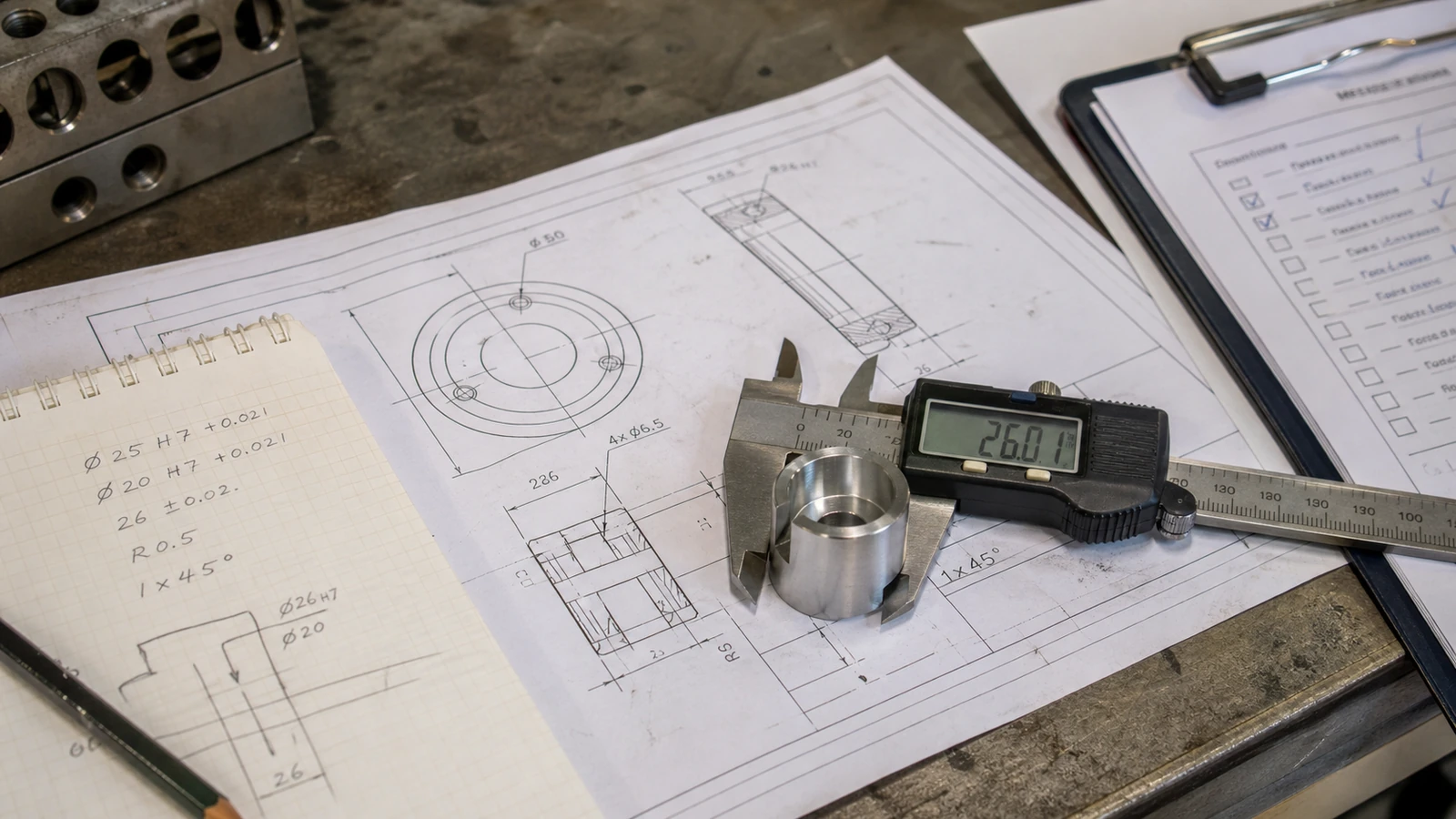
Material is one of the most important factors in a CNC machining quotation. We check whether the drawing calls for stainless steel, aluminum, brass, carbon steel or another engineering material. The exact grade matters because it affects machining process, tool wear, cutting parameters, finishing options, cost and delivery time. For example, stainless steel generally requires different cutting conditions than aluminum. Brass may machine efficiently, but thread form, burr control and surface appearance still need review. Carbon steel may require attention to coating, rust prevention or heat treatment if specified by the drawing.
If the material grade is missing, we do not assume it automatically. We may ask whether the part is used for strength, corrosion resistance, conductivity, sliding performance, weight reduction or cosmetic appearance. This helps us avoid suggesting an unsuitable material or quoting a part in a grade that does not match the buyer’s application.
Material also connects directly with related manufacturing pages. Buyers working on rotational parts can review our CNC Turning Services. For shaft-type components, see Precision CNC Shafts. For sleeve, spacer and bearing-related components, see CNC Machined Bushings.
3. Tolerance Analysis
Tolerance review is where many quotation differences appear. A part may have a simple outside shape, but one critical dimension can change the machining plan and inspection time. We check general tolerances, critical dimensions, shaft diameter tolerance, bearing fit requirements, hole tolerance, thread requirements and positional relationships. We also check whether the tolerance applies to a functional feature or whether it may be a default note copied from another drawing.
A note such as ±0.01mm tolerance is treated as a critical requirement, not as a casual default. Before quotation, we review whether the feature size, material, machining method, datum scheme, quantity and inspection method support that level of control. In some cases, the tolerance is necessary for assembly or bearing fit. In other cases, a wider tolerance may reduce cost without affecting the function. When a tolerance looks difficult or unclear, we flag it before quotation rather than waiting until production.
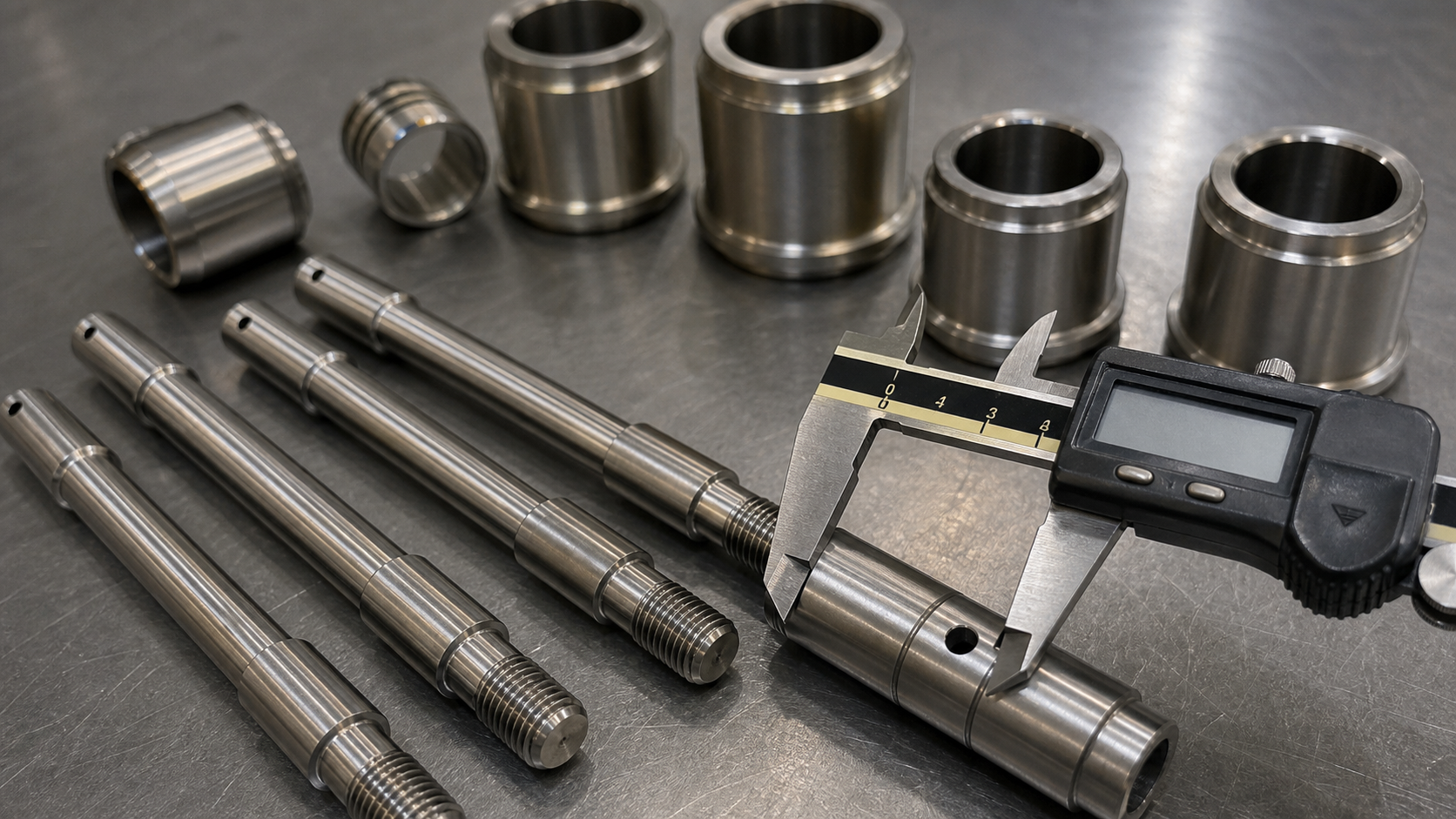
This is especially important for custom shafts, pins, bushings, sleeves and threaded parts. A shaft diameter that fits a bearing may require a different process plan from a non-critical spacer dimension. A tight internal bore may require additional machining or inspection steps. By separating critical and non-critical dimensions, we can prepare a quote that reflects the real manufacturing risk.
4. Surface Finish Requirements
Surface finish can affect both function and cost. During drawing review, we check whether the part requires a specific Ra value, polishing, grinding, coating, anodizing, plating, black oxide, passivation or other finishing process. We also check whether the surface requirement is functional, cosmetic or related to assembly. A visible external surface may require different handling from an internal face that only needs to meet a dimensional requirement.
If the drawing specifies surface roughness, we check which surfaces are controlled and whether the requirement is practical for the selected process. A general surface finish note across the entire drawing can increase cost if it applies to non-critical areas. When only selected surfaces need a smoother finish, identifying those surfaces helps us quote more accurately and avoid unnecessary processing.
We also consider how finishing affects dimensions. Coating thickness, polishing allowance or grinding requirements may need to be included in the machining plan. If the finish is applied after machining, critical dimensions may need to be controlled before and after finishing. Reviewing this before quotation reduces the risk of later price changes or production delay.
5. Manufacturability Review (DFM)
A good CNC quote should include a practical manufacturing review. Our DFM review CNC machining process looks at whether the part can be machined efficiently and consistently from the supplied drawing. We check tool accessibility, deep holes, thin walls, sharp internal corners, narrow grooves, thread depth, workholding, machining sequence and possible deformation during machining.
Some features are simple to draw but difficult to machine. A sharp internal corner may require a small tool and longer machining time. A deep hole may need special attention to chip evacuation and straightness. A thin wall may vibrate or deform if the material and clamping method are not considered. A long shaft may need review for runout, straightness, support and packing. By identifying these issues early, we can ask useful questions before the quotation is finalized.
DFM review does not mean changing the buyer’s design without approval. It means understanding the design well enough to quote responsibly. If we see a feature that may increase cost or risk, we explain the issue and provide feedback. The buyer can then decide whether the requirement is necessary or whether a small adjustment is acceptable.
6. Production Quantity and Lead Time
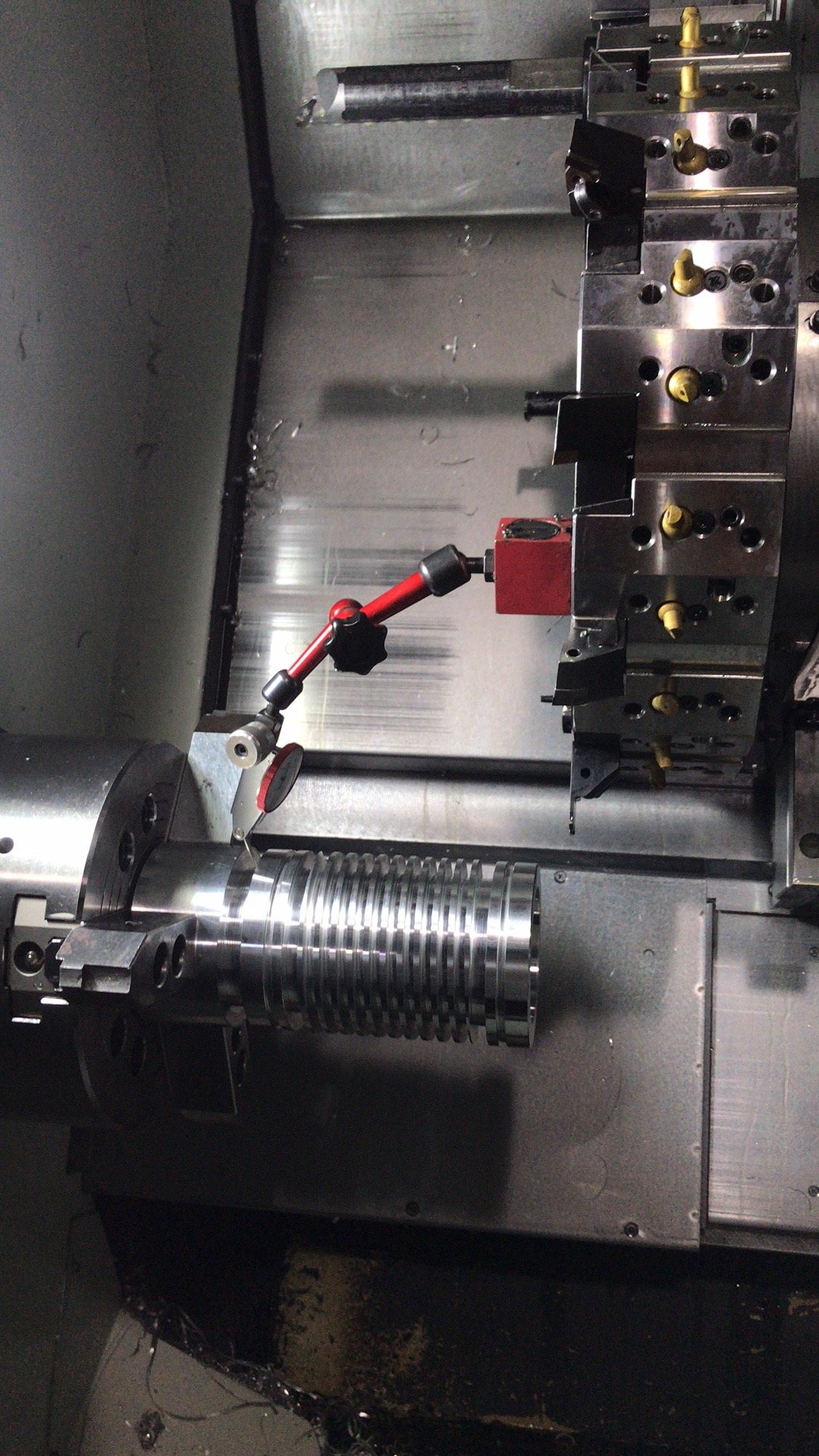
Production quantity changes the way a CNC machining quote is prepared. A prototype order, a low volume production order and a small batch machining order may require different planning. For prototypes, the priority is often quick technical confirmation and flexible communication. For low volume production, the quotation may need to include more stable setup planning, inspection time and repeatability. For small batch machining, production efficiency, tooling choice and packaging method become more important.
We review the quantity together with part complexity. A simple turned part may be efficient in a small batch, while a complex milled component with several setups may require more preparation time. If the buyer expects repeat orders, we may also consider whether the drawing package should be clarified for future consistency. Clear quantity information helps us estimate machining time, setup time, inspection time and lead time more realistically.
Lead time is not only a calendar estimate. It depends on material availability, machining process, finishing, inspection and packing. If the drawing requires a special finish or tight tolerance inspection, those items should be included in the schedule from the beginning. This is why production requirements are reviewed before price and lead time are confirmed.
7. Quality Inspection Before Shipment
Quality planning starts during quotation, not after parts are finished. When we review the drawing, we check which dimensions require dimensional inspection, which features are functional, and whether the buyer needs an inspection report. For some parts, a basic final inspection may be enough. For parts with critical fits, threads, bores or mating surfaces, inspection planning should be more detailed.
Inspection requirements affect both cost and delivery time. A drawing with many tightly controlled dimensions may require more measurement work than a general-purpose bracket or spacer. If the buyer needs an inspection report, we should know that before quotation so the time can be included. We also check whether the inspection method is practical for the drawing requirement.
For export buyers, clear inspection communication is important because parts may be used in assembly after international shipping. Reviewing inspection needs before production helps reduce disputes and supports a smoother purchasing process.
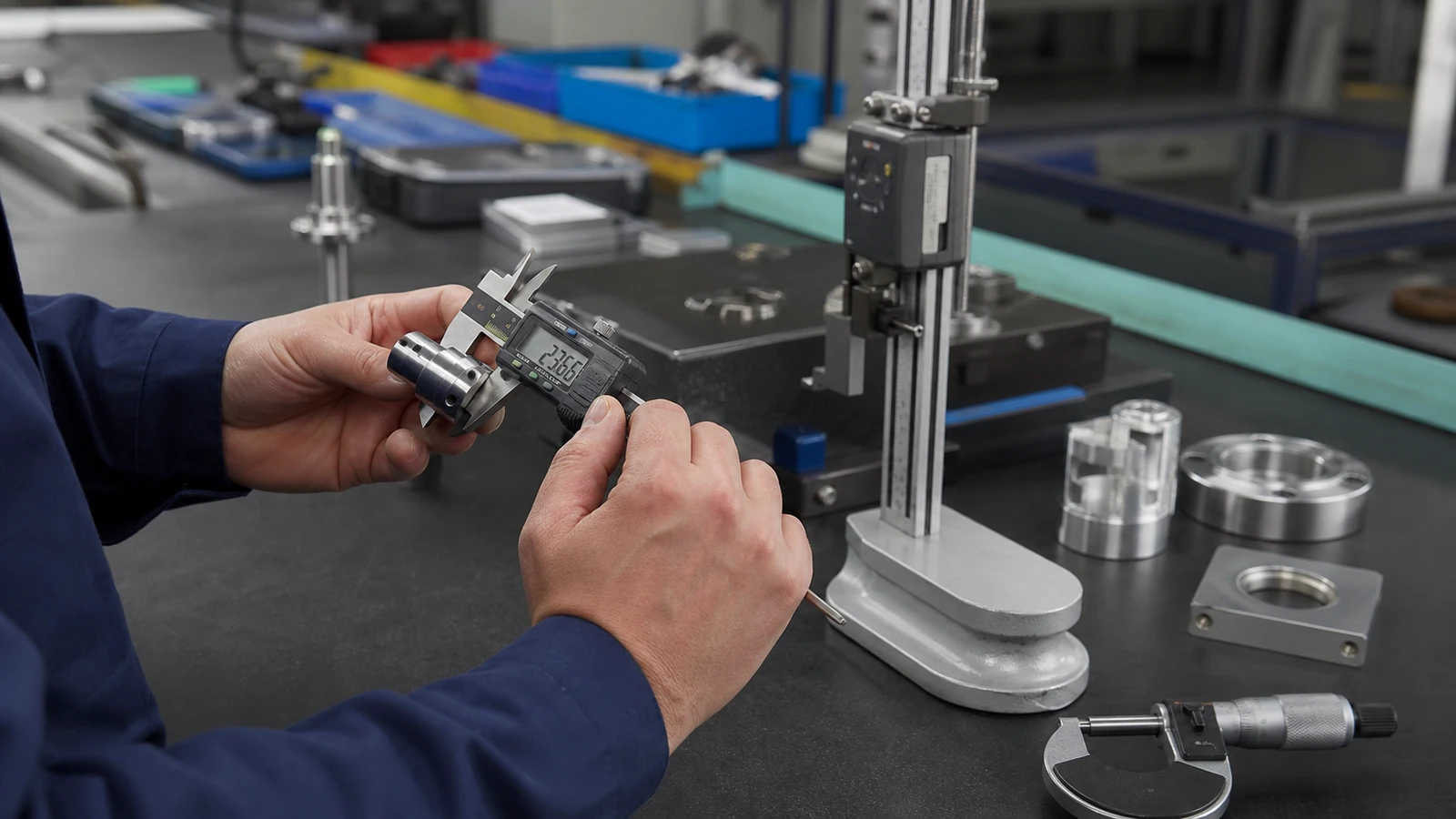
For a practical shaft example, see this precision shaft machining case study covering representative CNC turning, inspection and RFQ review points.
From Drawing Review to Accurate Quotation
A good CNC machining quote is not a simple material price plus machining time calculation. It is the result of drawing review, manufacturing analysis, quality planning and communication about the real production requirements. The more complete the drawing package is, the easier it is to reduce quotation changes, avoid misunderstandings and prepare a practical manufacturing plan.
Before we quote, we review the drawing files, material, tolerance requirements, surface finish, manufacturability, production quantity, lead time and inspection needs. This process helps both the buyer and supplier understand the same technical scope. It also helps prevent situations where a quote looks attractive at first but later changes because important drawing details were missed.
Have a CNC machining project? Send your drawing to MasterCNC Precision for a professional manufacturing review. We support CNC turning, CNC milling, shafts, bushings, sleeves and custom precision components.
Get Quote after preparing your CNC drawing package for review.
Request A Quote: Upload drawings for quotation review.
Need a Quote for Custom CNC Parts?
Send your drawing, material, quantity, tolerance, and application requirements. We usually reply within 24 hours after reviewing your files.
Related CNC Machining Pages
Use these pages to compare similar part types, machining processes, materials, and RFQ preparation notes before sending a drawing.