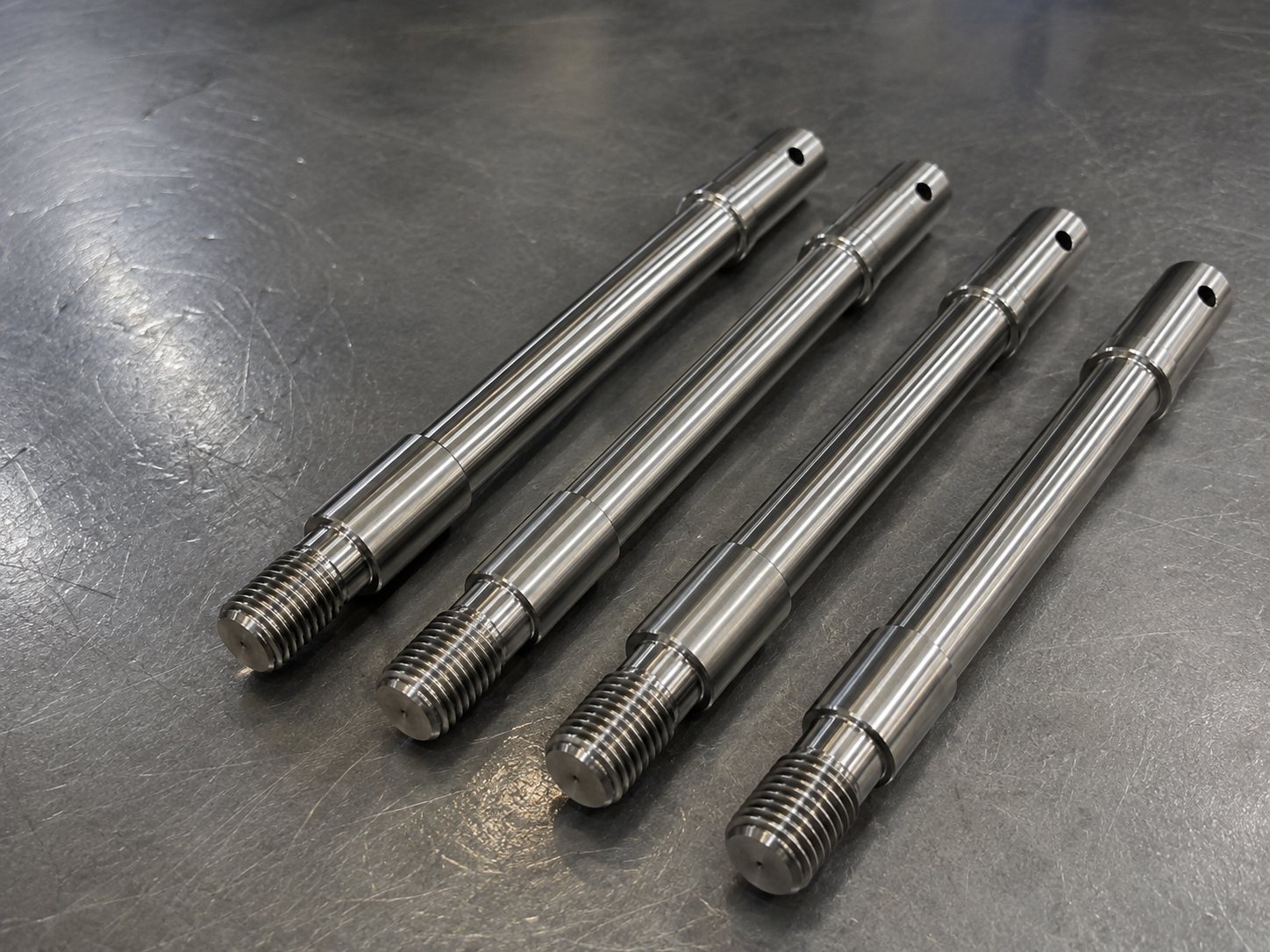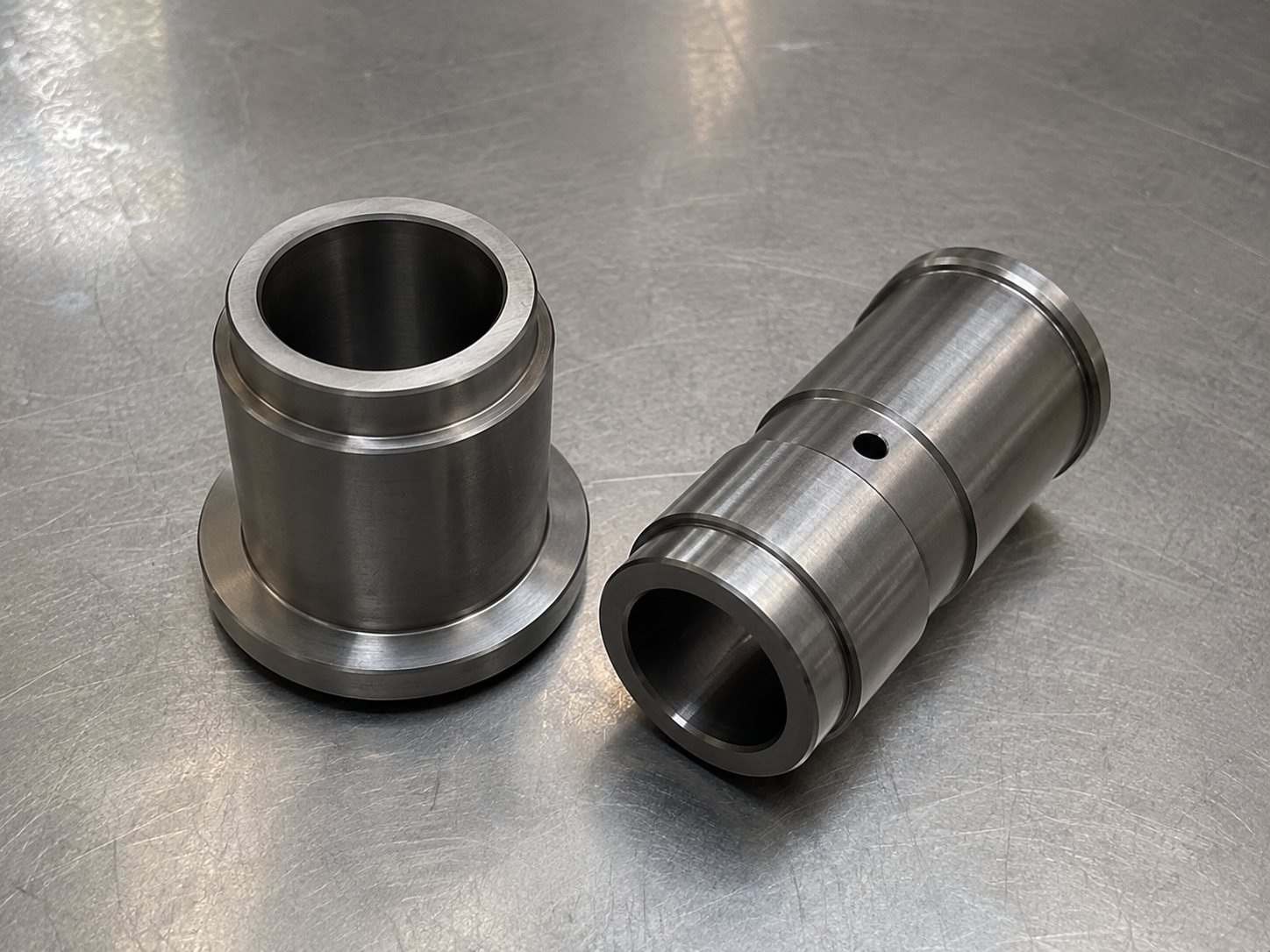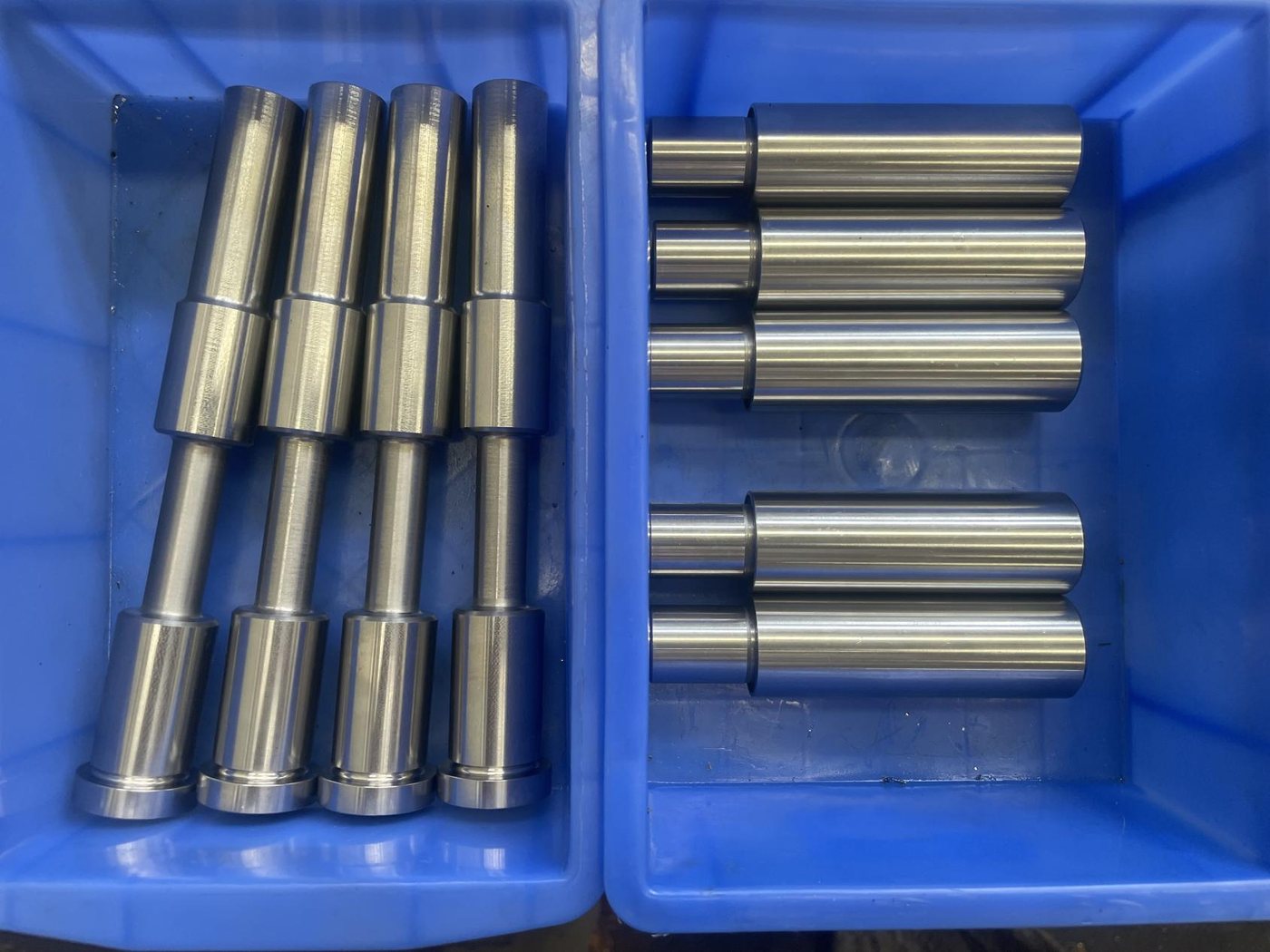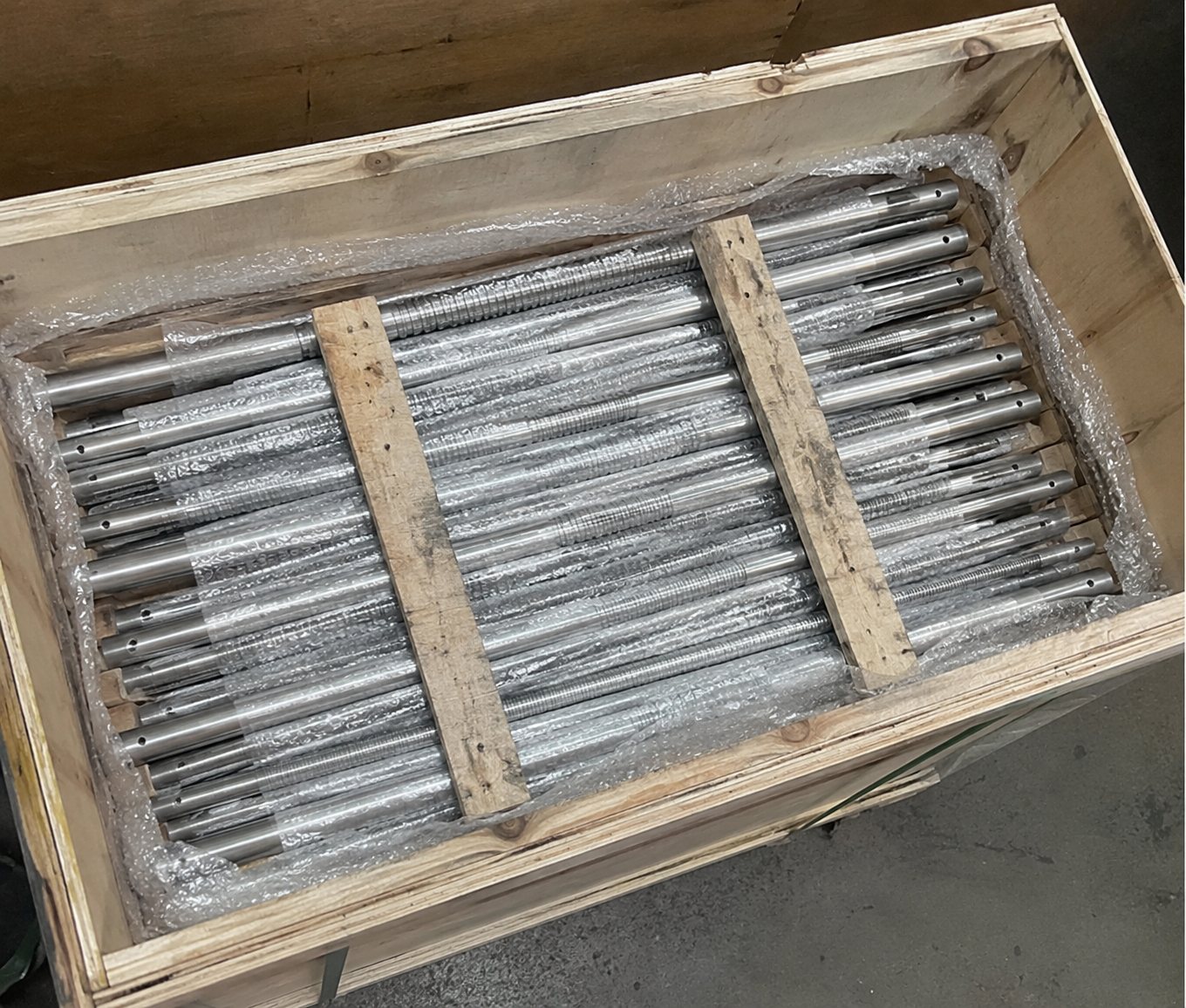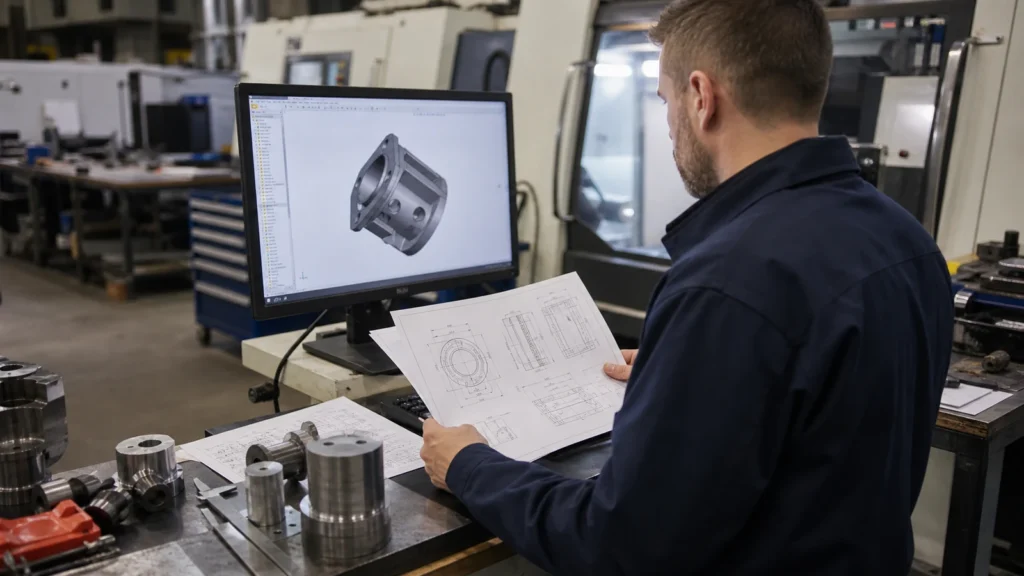
When a buyer sends a CNC machining RFQ, an accurate quote is not only a material calculation. A reliable quotation starts with a careful review of the drawing, CAD file, material requirement, tolerance notes, surface finish, quantity and inspection expectations. If any of these details are missing or unclear, the price, lead time and manufacturing plan can change after further communication.
At MasterCNC, we review each drawing from an engineering and sourcing perspective before preparing a quotation. The goal is to understand what the part needs to do, which machining process may be suitable, which features are critical, and what information should be confirmed before production. This helps reduce quotation changes, avoids unnecessary assumptions and makes communication easier for overseas buyers who need drawing-based CNC parts.
A complete drawing package usually allows faster review and more practical pricing. Useful RFQ information includes 2D drawings, 3D models, material grade, quantity, tolerance requirements, finish requirements and any inspection points that matter for assembly or function. The better the technical input, the more clearly a CNC supplier can evaluate machining risk, tooling needs, production efficiency and inspection work.
What File Formats Can We Accept?
For CNC machining quotations, we can review common engineering file formats such as STEP (.step or .stp), IGES (.igs or .iges), DWG drawings, PDF drawings, DXF files and other common CAD formats. If the file package includes both a 3D model and a 2D drawing, the review is usually more complete.
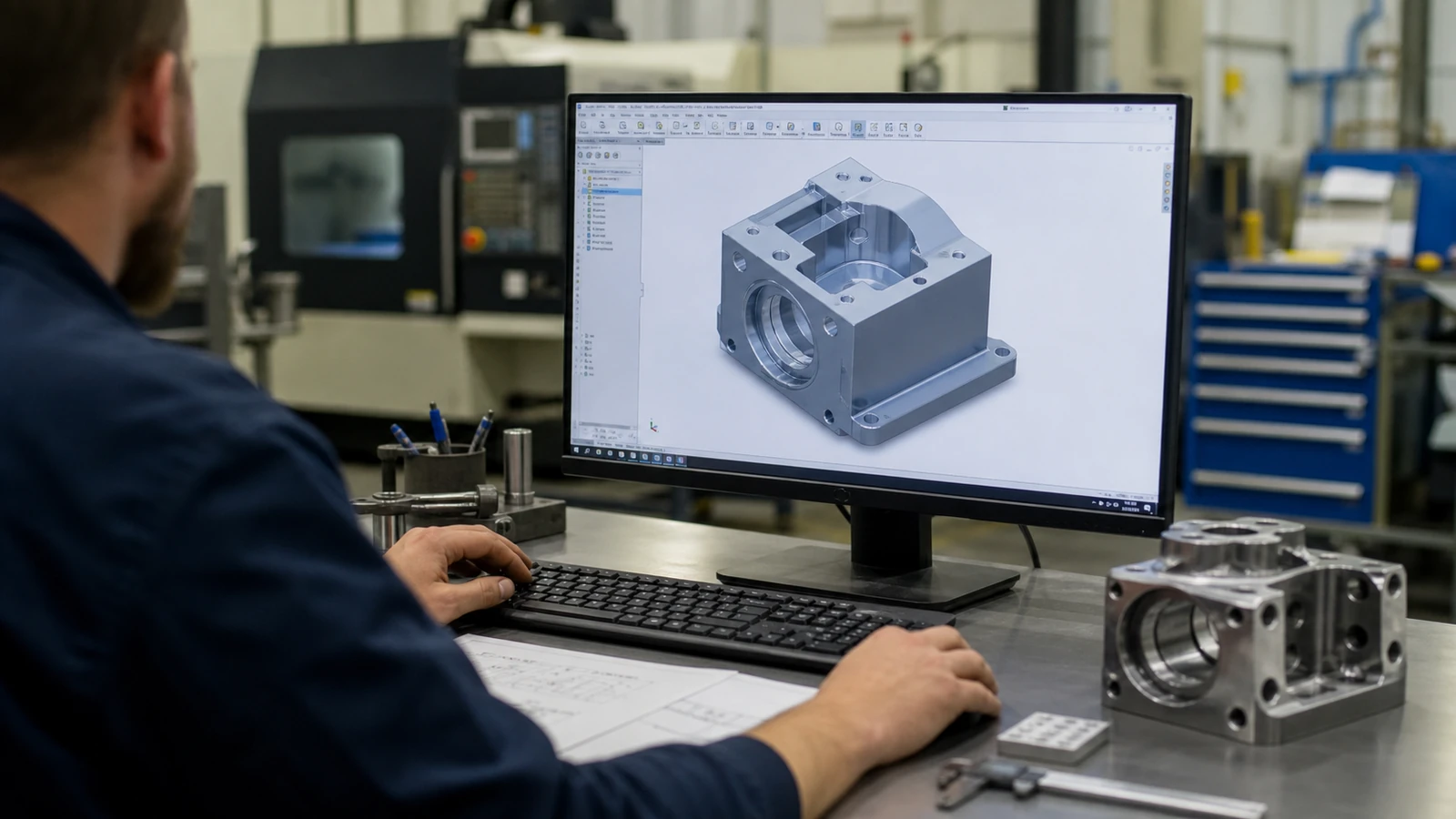
3D models help us understand the geometry, machining features, undercuts, hole positions, pockets, turned profiles and possible tooling requirements. They are useful for checking whether the part is better suited for CNC turning, CNC milling or a combination of processes.
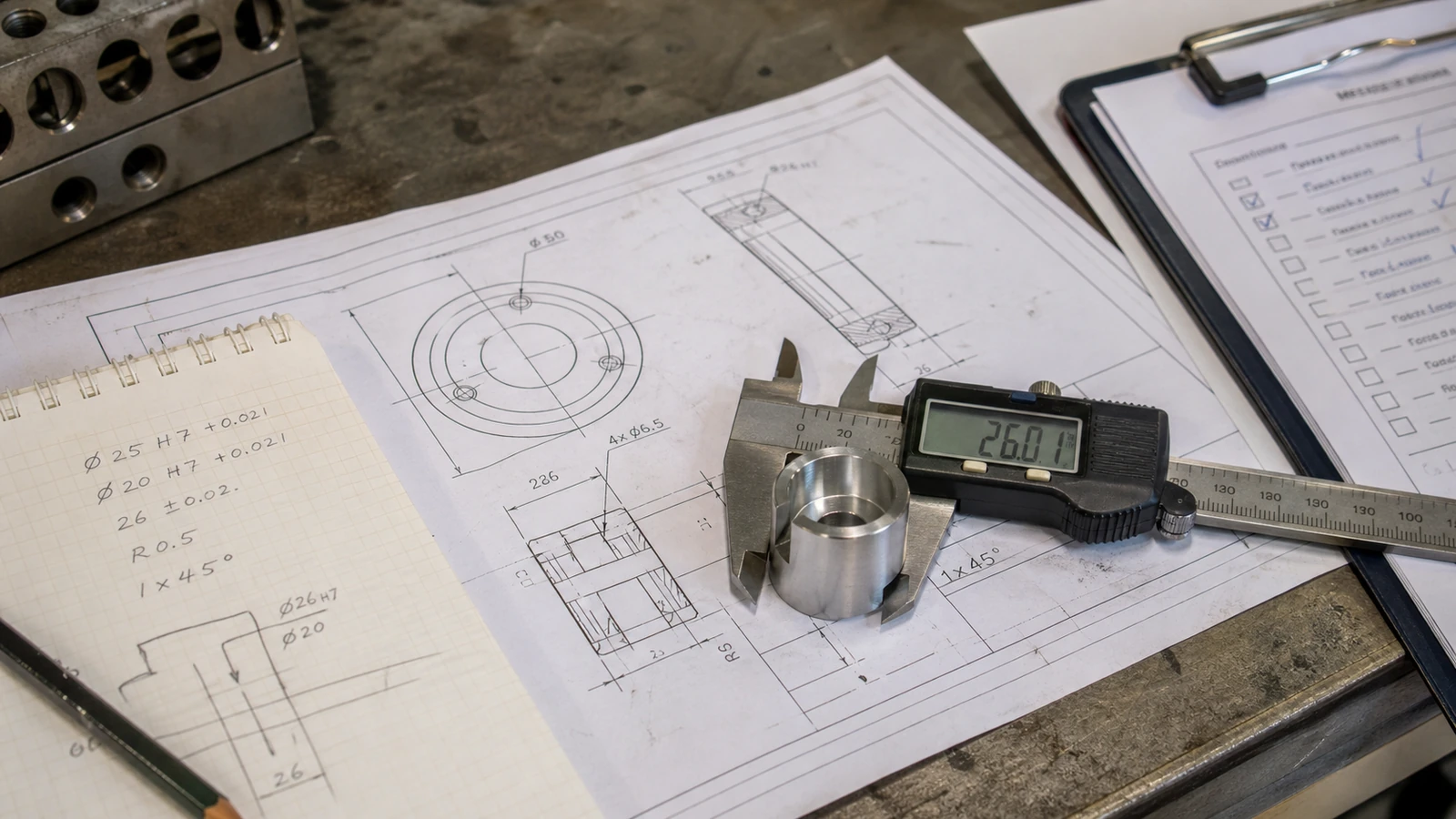
2D drawings help confirm dimensions, tolerances, surface roughness, thread notes, material specifications, heat treatment notes, finish requirements and inspection points. If there is any difference between the model and the drawing, we will ask for confirmation before quoting or production planning.
What Do We Check During CNC Drawing Review?
Material Requirements
Material selection affects machining method, tool wear, surface finish, part strength and cost. During review, we check whether the drawing specifies stainless steel, aluminum, brass, carbon steel, engineering plastics or another material. If only a general material name is provided, we may ask for the exact grade before preparing the final quote.
Dimensions and Geometry
We check overall dimensions, wall thickness, deep holes, slots, grooves, pockets, threads, sharp corners and other critical features. Geometry determines machining difficulty and affects how the part may be held, cut, deburred and inspected.
Tolerance Requirements
Tolerance requirements are one of the most important cost drivers in precision machining. We review general tolerance notes, critical tolerance callouts, fit requirements and any dimensions that may require additional inspection time. Tight tolerance should be applied where it is functionally necessary, not automatically across every feature.
Surface Finish Requirements
Surface finish can affect both function and appearance. We check surface roughness callouts, finishing process requirements, deburring notes, coating or plating needs and cosmetic expectations. If a visible surface has special requirements, it should be marked clearly on the drawing.
Quantity and Production Volume
Quantity affects tooling choice, setup cost allocation, machining method and production efficiency. A prototype quantity may require a different approach from a repeat production batch. When buyers provide estimated annual demand or future batch expectations, it can help us evaluate a more practical quotation route.
Critical Dimensions and Inspection Requirements
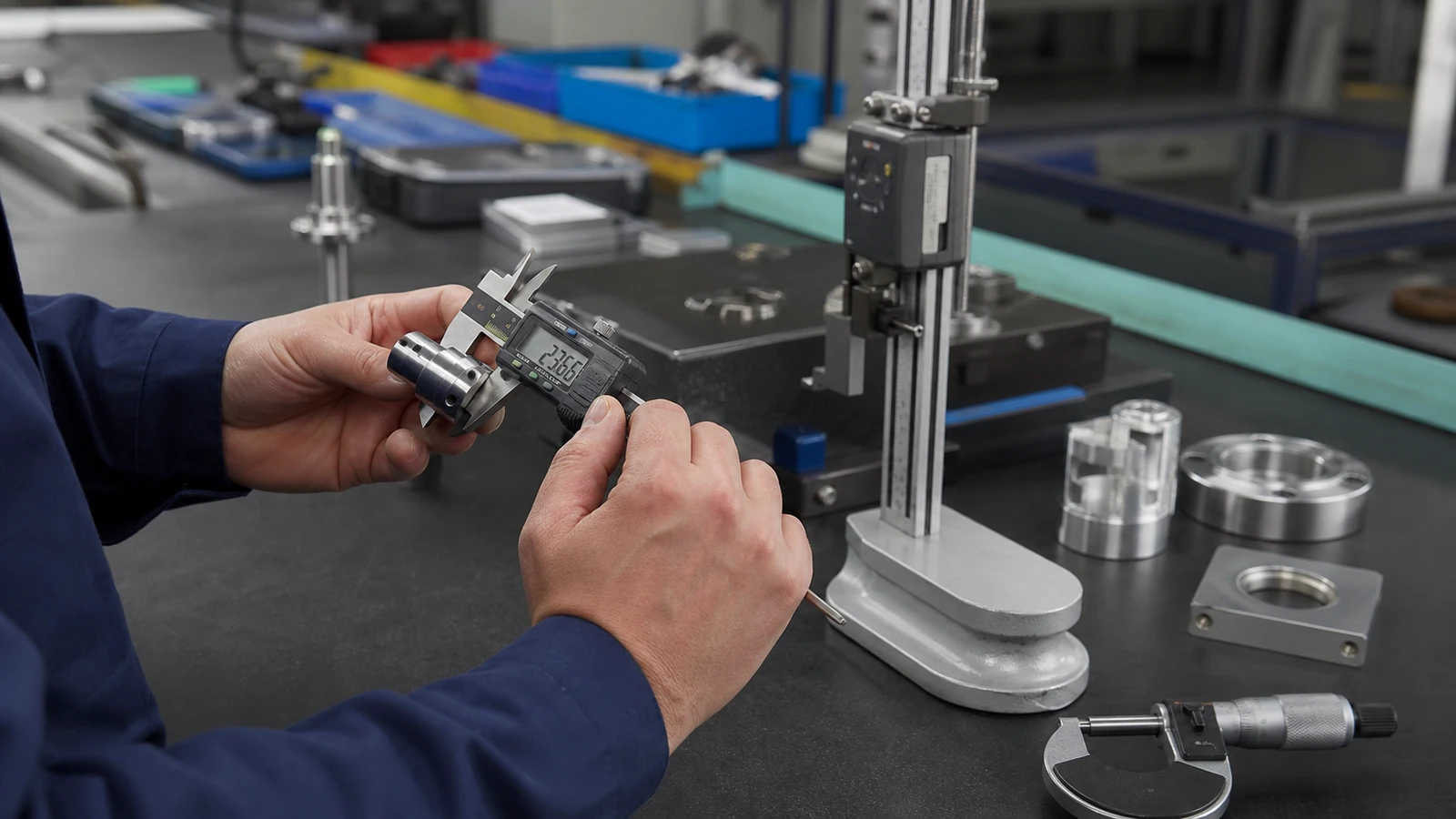
Some dimensions matter more than others. We pay close attention to important diameters, hole tolerance, positional accuracy, thread fit, flatness, concentricity and other features that affect assembly. If the buyer has special inspection requirements, those points should be included with the RFQ so they can be considered before quotation.
Our CNC Quotation Process
Step 1: Drawing Analysis
We first review the drawing package to understand the part geometry, dimensions, material, tolerance notes and surface requirements. If information is missing, we identify the questions that should be clarified before quoting.
Step 2: Manufacturing Process Evaluation
Next, we evaluate whether the part is suitable for CNC turning, CNC milling, drilling, tapping, secondary machining or a combined process. We also consider workholding, tool access, feature sequence and possible manufacturability risks.
Step 3: Cost Calculation
Cost calculation includes material use, machining time, setup work, tooling needs, finishing, inspection and packing requirements. Quantity is also considered because setup time and production efficiency are different for prototypes and larger batches.
Step 4: Lead Time Confirmation
Before sending a quotation, lead time should be checked against material availability, machining complexity, finishing requirements and inspection scope. If the part requires special material, surface treatment or a tight delivery window, we will confirm those factors during RFQ communication.
Why Accurate Drawing Review Matters
Accurate drawing review reduces quotation changes, production risks and unexpected delays. It also helps both sides avoid assumptions about material, tolerance, finish or inspection requirements. For overseas buyers, this is especially important because early clarification can save multiple rounds of email communication.
A practical review process improves communication efficiency and supports better manufacturing accuracy. It allows the buyer to understand which requirements are clear, which items need confirmation and which features may affect machining cost or production risk.
Send Your CNC Drawing for a Professional Review
Upload your CNC drawing and receive a machining quotation from MasterCNC. We will review your material, tolerance, surface finish, quantity and inspection requirements before preparing a practical quote.
Frequently Asked Questions
What drawing format is best for CNC machining?
A STEP file together with a 2D PDF drawing is often the most useful combination. The 3D model helps review geometry, while the 2D drawing confirms tolerances, material, finish and inspection notes.
Can you quote CNC parts without a drawing?
In some cases, a sample photo with key dimensions can be used for an initial discussion. However, an accurate CNC machining quote normally requires a drawing or CAD model with material, tolerance and quantity information.
What information affects CNC machining cost?
Important cost factors include material grade, part size, geometry complexity, tolerance, surface finish, quantity, inspection scope, packing requirements and expected lead time.
Do you review tolerances before quotation?
Yes. Tolerance review is part of the quotation process because tight or critical tolerances can affect machining method, inspection time and cost. If a tolerance note is unclear, we will ask for confirmation before finalizing the quote.
Need a Quote for Custom CNC Parts?
Send your drawing, material, quantity, tolerance, and application requirements. We usually reply within 24 hours after reviewing your files.
Related CNC Machining Pages
Use these pages to compare similar part types, machining processes, materials, and RFQ preparation notes before sending a drawing.