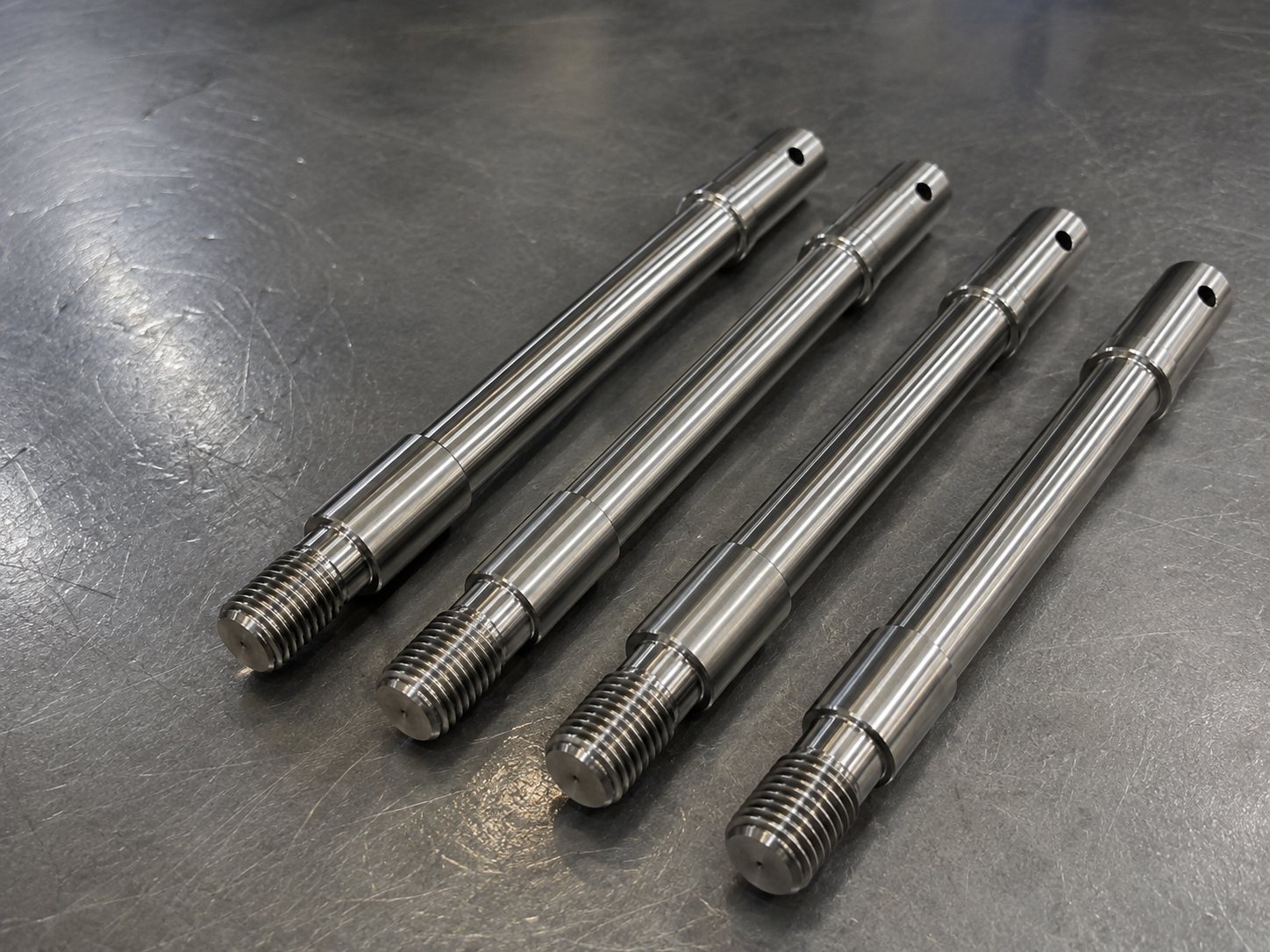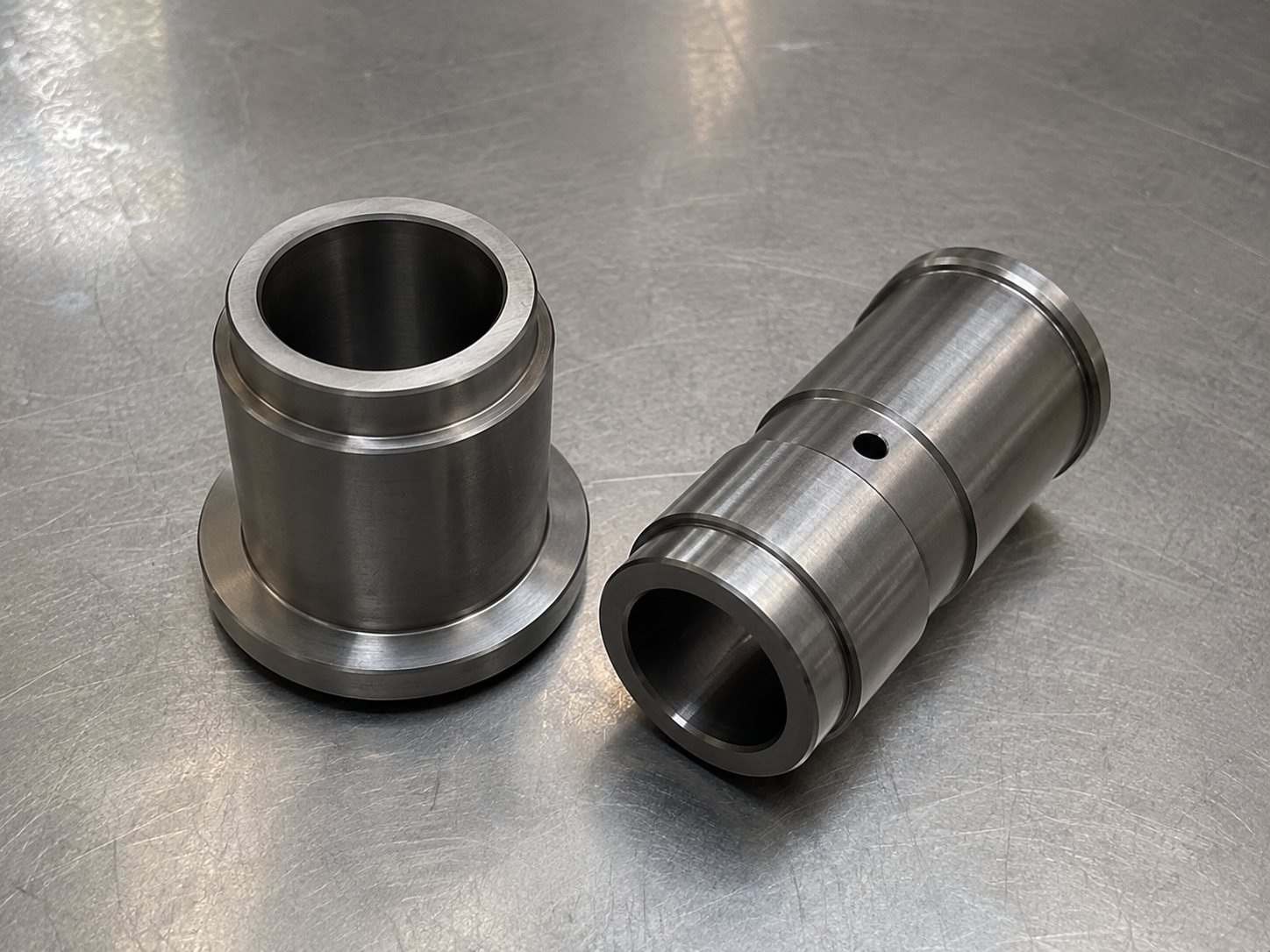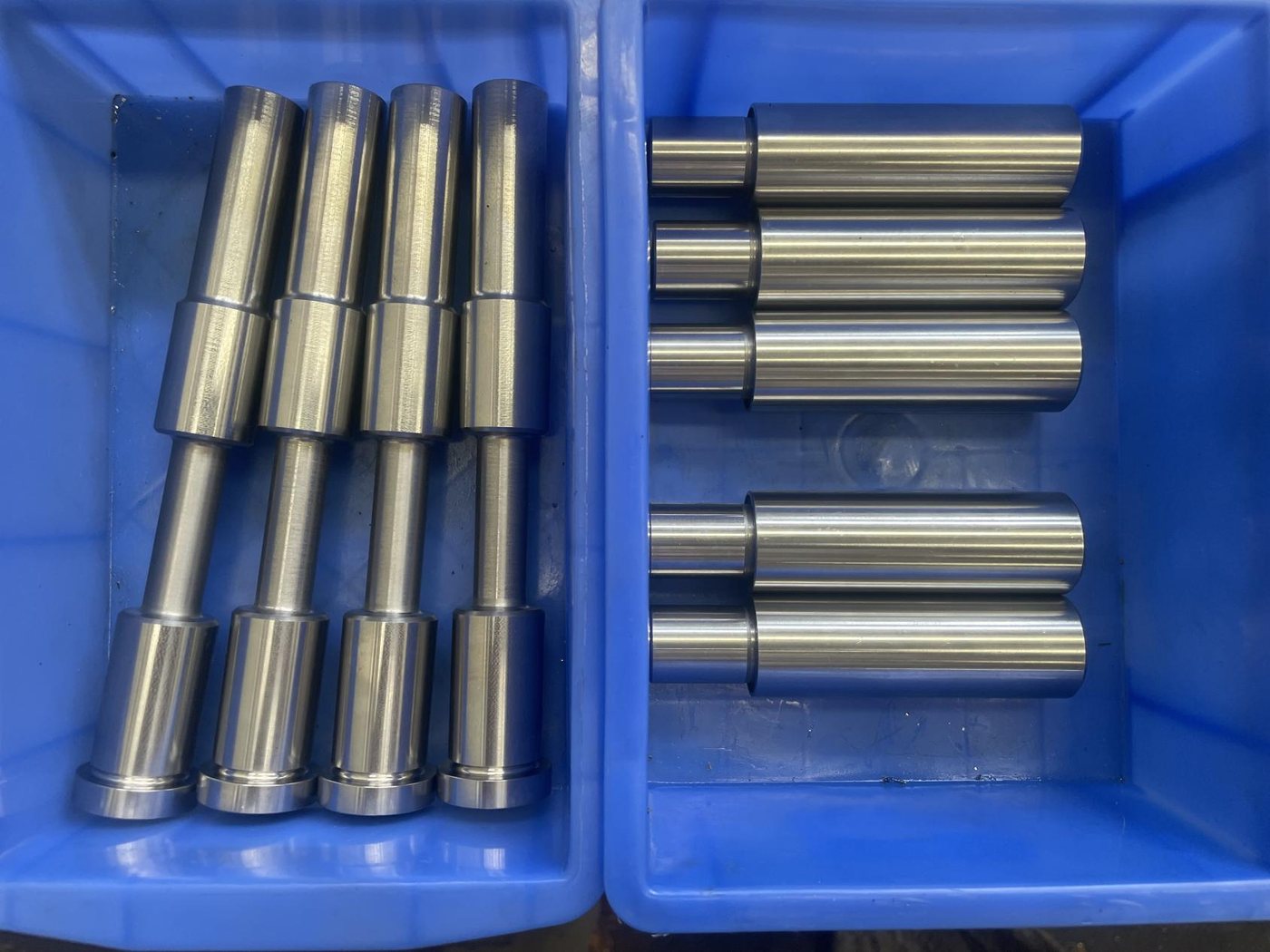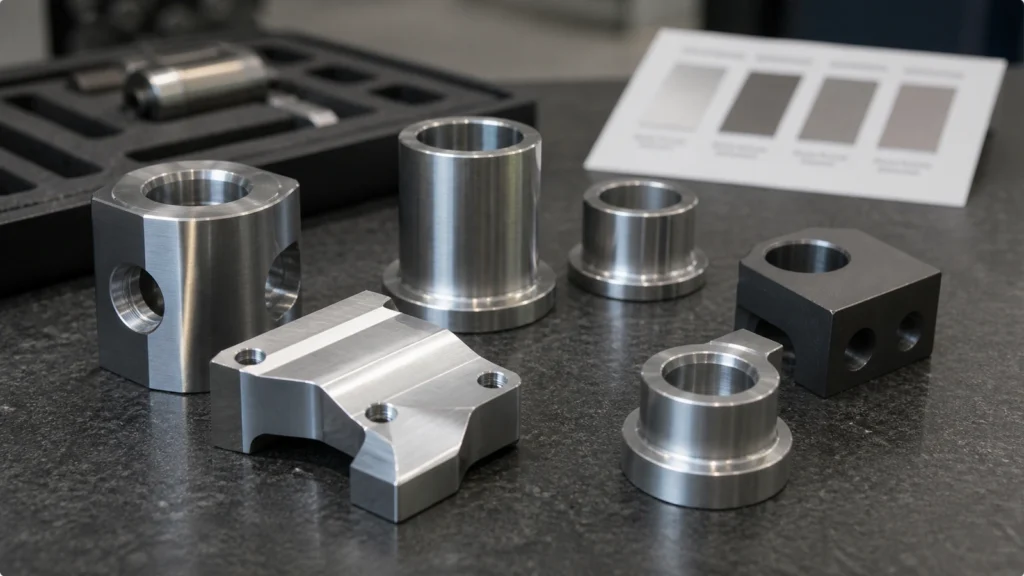
CNC surface finish affects how a part looks, fits, moves, seals and wears. It should not be treated as a decorative note added after quotation. Buyers should define which surfaces are functional and which are cosmetic.
A clear CNC surface finish requirement helps the supplier understand machining marks, roughness expectations, finishing options and inspection needs before quotation.
Machining Marks, Roughness and Functional Surfaces
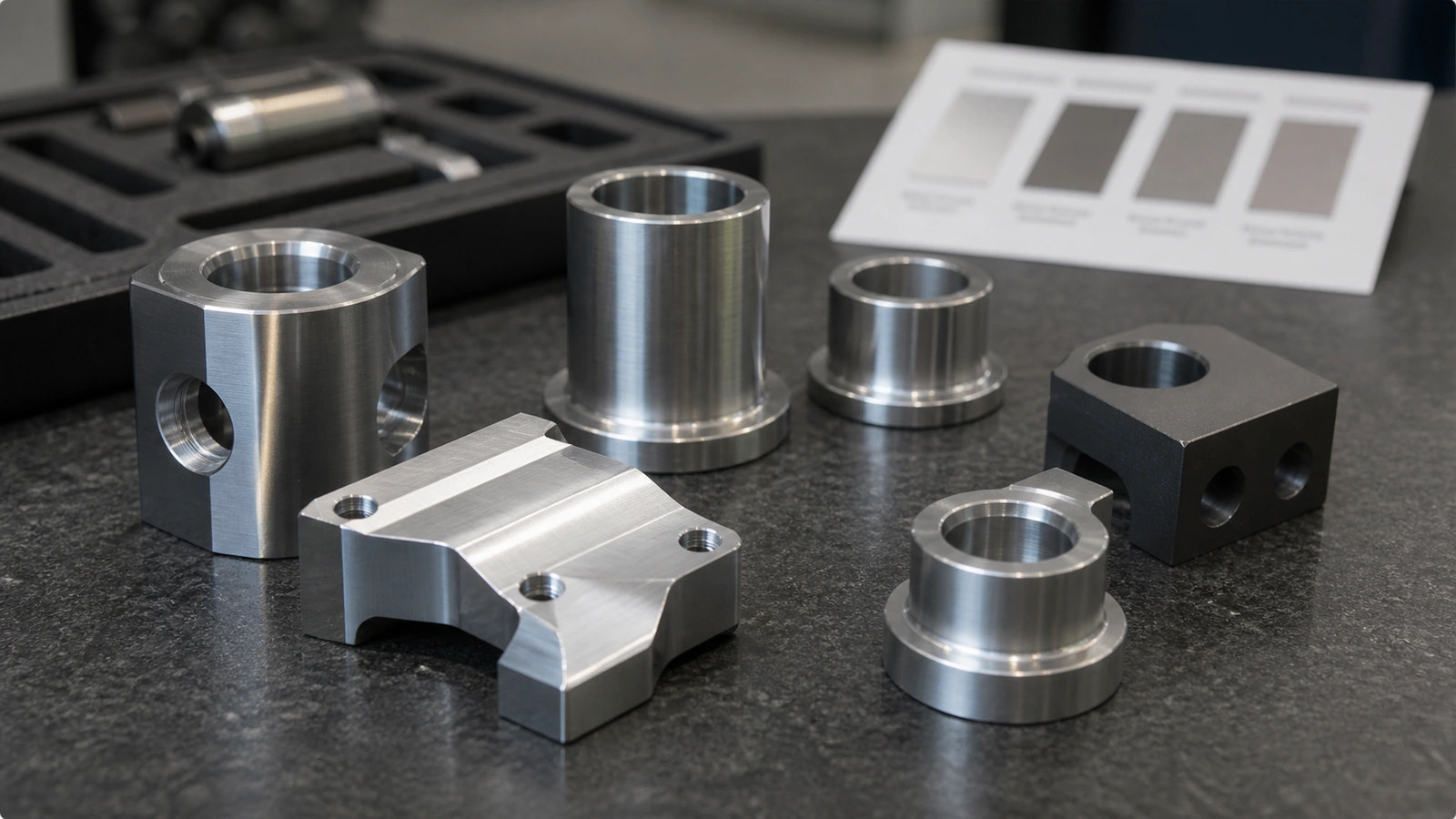
Machining marks are normal on as-machined CNC parts. Their appearance depends on material, tool condition, cutting strategy, rigidity and geometry.
Surface roughness is often expressed with Ra values. Buyers should specify Ra only where it matters for function, sealing, sliding, bearing contact or appearance.
Functional surfaces should be identified separately from non-critical faces. A bore, shaft diameter, sealing face or bearing surface may need more control than an external clearance surface.
Cosmetic surfaces should be explained in practical terms. If visible appearance matters, buyers should specify finish expectations, handling protection and whether minor machining marks are acceptable.
Finishing options may include deburring, polishing, brushing, anodizing, plating or passivation depending on material and project requirements. These should be reviewed before quotation rather than assumed.
Practical Checklist Before Requesting a Quote
A useful RFQ package does not need to be complicated, but it should remove avoidable uncertainty. Before sending a CNC machining quote request, buyers can use the following checklist to make the supplier review faster and more reliable.
- Mark functional surfaces
- Define cosmetic surfaces
- Specify Ra value only where needed
- State whether as-machined finish is acceptable
- Confirm deburring expectations
- Identify finishing process if required
- Provide handling or packaging requirements
- Clarify inspection method for finish-critical surfaces
Common Quotation Problems
Undefined Cosmetic Requirement
If appearance matters but is not defined, the supplier may quote based on normal machining marks. This can create disagreement after production.
Ra Value Applied Everywhere
A single roughness value on every surface may add unnecessary cost. It is better to identify function-related surfaces that need specific control.
Finishing Added After Quotation
Post-machining finishing can affect cost, lead time and dimensions. It should be part of the RFQ from the beginning.
How MasterCNC Precision Reviews Buyer Information
MasterCNC Precision reviews RFQ information from an engineering and purchasing perspective. The goal is to understand the drawing, material, quantity, tolerance and inspection needs before quotation, rather than treating every inquiry as a simple material calculation.
When a requirement is unclear, a careful review may identify questions about material grade, thread standard, surface requirement, quantity, packaging or critical dimensions. Clarifying those points before production can reduce quotation changes and communication delays.
For custom turned parts, milled components, shafts, bushings, sleeves and prototype parts, the most useful starting point is a drawing or model together with the expected quantity and application notes. This helps match the manufacturing route to the part function instead of guessing from a picture alone.
Related Resources
For turned surfaces, shafts, bushings and sleeves, review our CNC Turning Services page.
Buyer Review Notes
For engineers and buyers responsible for part appearance or assembly function, CNC surface finish requirements is most useful when it turns an RFQ from a general price request into a clear manufacturing review. The supplier can then evaluate the part against the drawing instead of making assumptions from a short message or a single image.
Surface finish can influence fit, movement, sealing, wear and appearance. The drawing should identify where finish matters instead of applying one broad note everywhere.
The main risk is leaving functional or cosmetic surface expectations undefined. This type of uncertainty can affect the machining route, inspection scope, communication time and final quotation. It may also cause the supplier to return with questions before the quote can be completed.
A practical way to reduce that risk is to separate confirmed requirements from open questions. Confirmed requirements should be written directly in the RFQ. Open questions can be listed as items for review, so both sides understand what still needs clarification before production.
The most important review points are machining marks, Ra values, functional faces, cosmetic faces, deburring and finishing options. These points influence how a machining partner chooses stock size, setup method, tooling approach, inspection method and packaging protection. They also help buyers compare quotes on the same technical basis.
Buyers should avoid sending different versions of the same drawing without clear revision labels. If the 3D model, 2D drawing and email notes do not match, the supplier may need to pause the quotation and confirm which file controls the final requirement.
For overseas CNC sourcing, communication clarity is part of cost control. A complete RFQ package can reduce back-and-forth questions, but it also helps prevent a low quote based on incomplete information. The lowest initial price is not useful if it ignores the feature that matters most to the part function.
It is also helpful to explain the buying stage. A prototype, trial batch, maintenance spare part and repeat OEM part can require different levels of review. The same geometry may be quoted differently depending on whether the buyer needs one sample, a small batch or a repeatable supply plan.
Inspection should be discussed before quotation when the part has fit-related or function-related features. The buyer does not need to specify every measurement method, but the drawing should identify which dimensions are important and whether recorded inspection results are required.
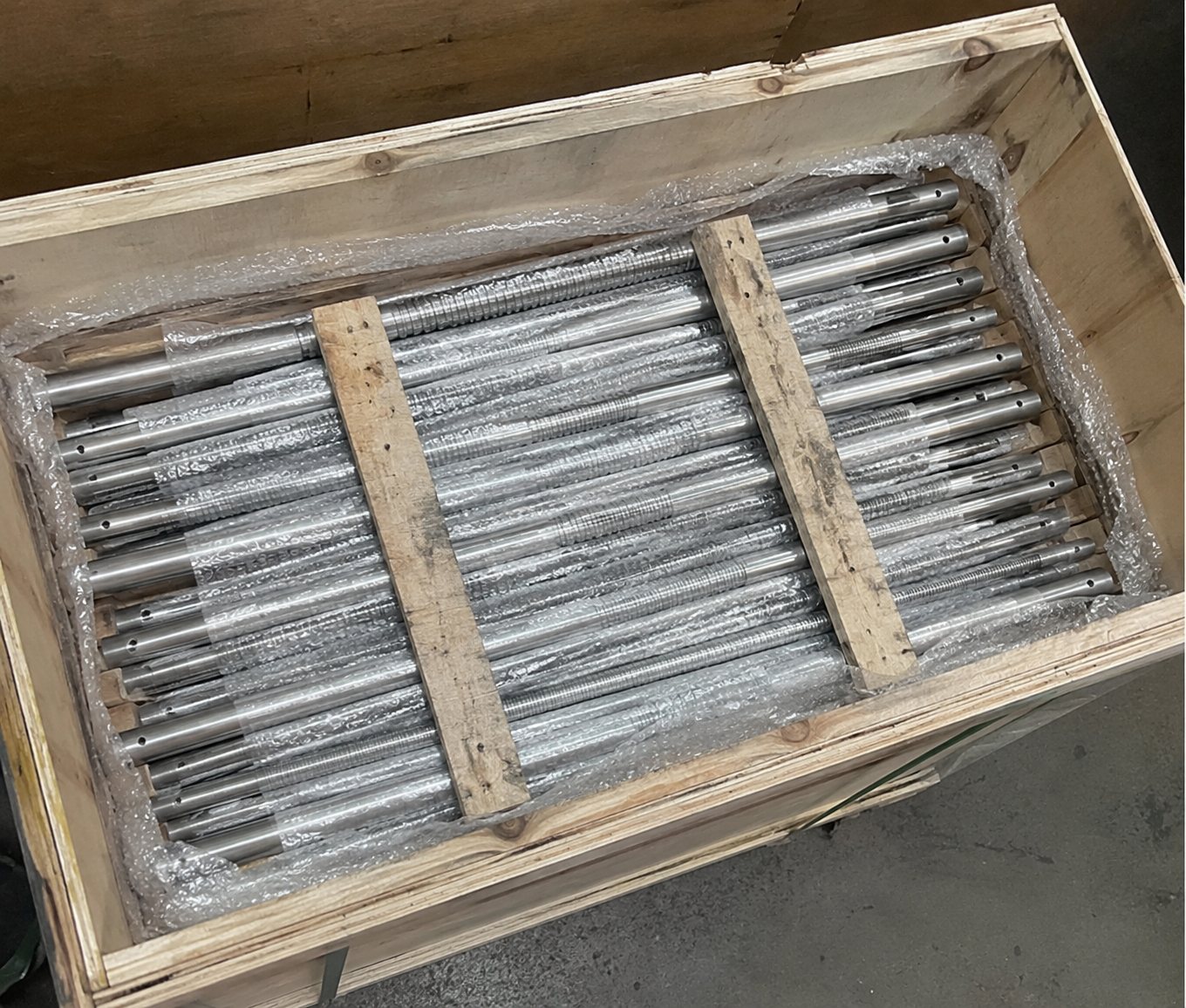
Surface protection and packing should not be left until the end of the project. Shafts, sleeves, bushings, machined faces and cosmetic surfaces can be damaged during handling or shipping if protection requirements are not known in advance.
A strong RFQ does not try to over-specify every detail. Instead, it gives the supplier enough information to judge manufacturability, identify risks and return questions where the drawing is incomplete. This is especially important when working across time zones.
MasterCNC Precision uses this type of review to help buyers organize project information before quotation. The purpose is not to replace the drawing, but to make sure the drawing, material, quantity and inspection expectations are aligned before the machining route is evaluated.
Buyer Checklist for Supplier Communication
- Send one current drawing revision and remove obsolete files from the RFQ package.
- List the material grade and state whether substitute material may be reviewed.
- Separate critical dimensions from general dimensions whenever possible.
- Explain the intended order stage: prototype, validation batch, small batch or repeat production.
- State whether the visible surfaces are functional, cosmetic or non-critical.
- Confirm whether inspection records, packing notes or destination information are needed before quotation.
- Ask technical questions in the same email as the drawing package so they are not separated from the RFQ context.
What Buyers Should Expect After Submitting the RFQ
After the RFQ is received, the first useful response is usually not a generic price. A practical response should confirm whether the files can be opened, whether the material and quantity are clear, and whether any manufacturing or inspection notes need clarification.
If the supplier asks a question, that is not automatically a delay. It may be the correct step when a tolerance is unclear, a thread note is incomplete, a surface finish is missing, or the quantity does not match the purchasing stage.
When buyers answer these questions early, the final quotation is more likely to reflect the actual requirement. This helps purchasing teams compare suppliers by manufacturing understanding, not only by a headline price.
Quotation Review Notes
A buyer guide is most valuable when it supports a real purchasing decision. Before comparing suppliers, buyers should make sure the quotation package describes the part function, the current drawing revision and the expected order stage. This does not require confidential application details, but it should explain enough for a supplier to review manufacturing risk.
For custom CNC machining, small differences in information can change the quotation result. A missing material grade, undefined tolerance, unclear surface note or uncertain quantity may lead to a quote that looks complete but does not fully match the part requirement. This is why engineering review should happen before price comparison.
When buyers send the same package to several suppliers, the files should be consistent. If one supplier receives a 3D model only and another receives both the drawing and inspection notes, their quotations may not be comparable. A controlled RFQ package helps purchasing teams compare technical understanding, communication quality and manufacturing approach on the same basis.
The final decision should consider whether the supplier asked relevant questions. Questions about fit, material, threads, surface finish, packing or inspection can be a positive sign when the drawing leaves room for interpretation. They show that the quote is being reviewed as a manufacturing project, not only as a file attachment.
Frequently Asked Questions
What is CNC surface finish?
CNC surface finish describes the surface condition after machining or finishing, including machining marks, roughness and appearance.
What does Ra mean for machined parts?
Ra is a common roughness value used to describe average surface roughness, but it should be specified only where it matters.
Are machining marks normal on CNC parts?
Yes. As-machined parts normally show machining marks unless a finishing requirement is specified and agreed.
Should surface finish be included in the RFQ?
Yes. Surface finish affects machining method, finishing process, inspection and packing, so it should be reviewed before quotation.
Need a Quote for Custom CNC Parts?
Send your drawing, material, quantity, tolerance, and application requirements. We usually reply within 24 hours after reviewing your files.
Related CNC Machining Pages
Use these pages to compare similar part types, machining processes, materials, and RFQ preparation notes before sending a drawing.