MasterCNC Precision provides drawing-based precision shaft machining support for engineers, purchasing teams and OEM manufacturers. Typical RFQs include stepped shafts, long shafts, threaded shafts, stainless steel shafts, pins and custom machined shafts used in mechanical assemblies. Each shaft project is reviewed from the customer’s drawing, material requirement, quantity, tolerance notes, surface finish and inspection expectations before quotation.
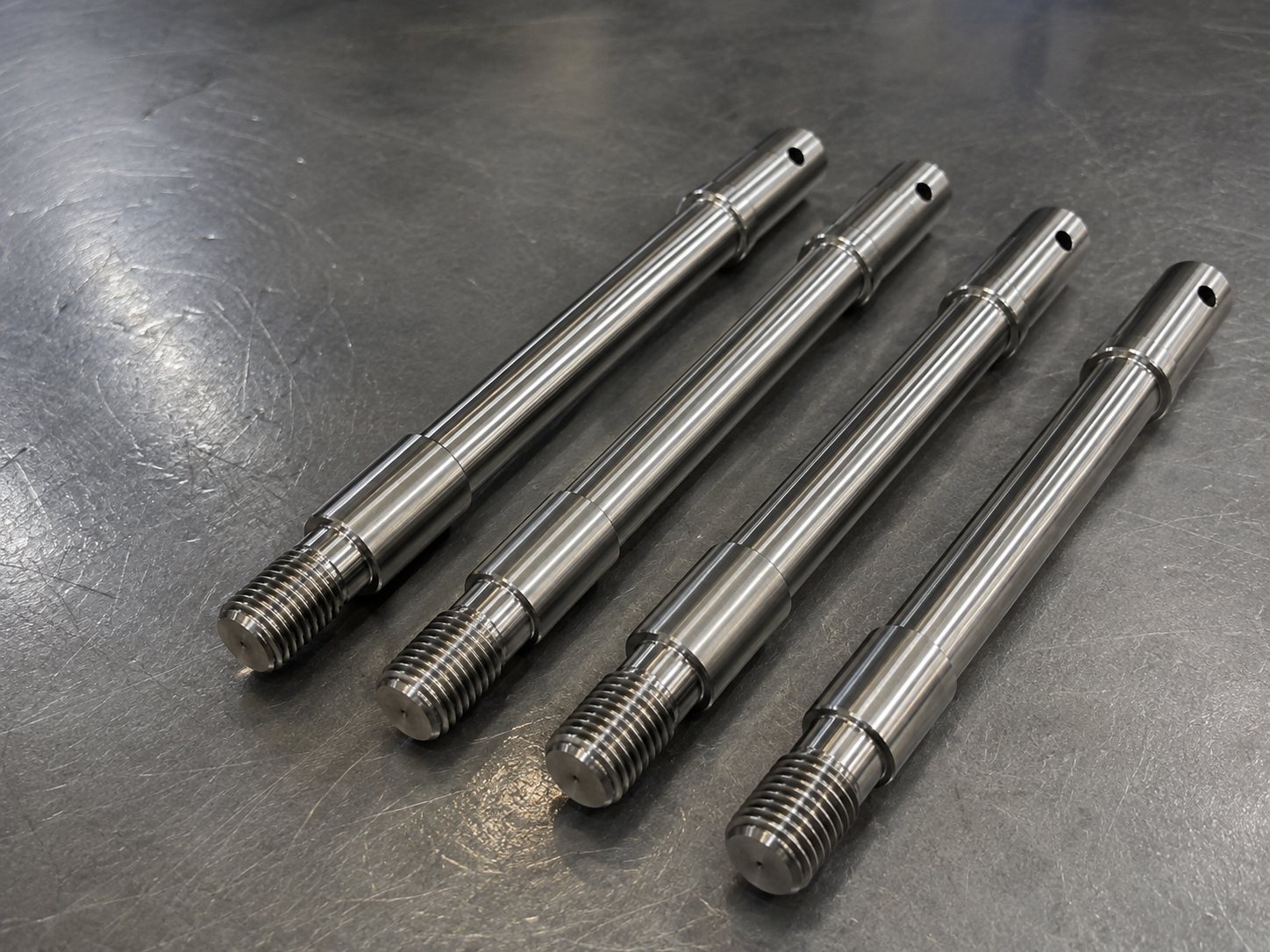
Precision Shaft Machining for OEM Applications
Precision shaft machining is used when a cylindrical component needs controlled diameters, shoulders, grooves, threads, end features or bearing-related surfaces. These parts may be used in industrial machinery, automation equipment, mechanical assemblies and replacement components. For overseas sourcing teams, the challenge is not only finding a CNC shaft manufacturer, but also making sure the drawing details are reviewed before production planning.
MasterCNC Precision supports custom machined shafts based on drawings and RFQ information. We review the part geometry, functional surfaces, material grade, order quantity, critical dimensions and inspection notes before preparing a quotation. If a drawing note is unclear, we prefer to clarify it early rather than make assumptions that may affect fit, thread quality or assembly performance.
For OEM shaft buyers, early communication is especially important when the shaft must fit bearings, gears, couplings, housings or other mating components. A complete RFQ helps confirm which dimensions control assembly function and which features are general machining surfaces. This review supports a more realistic shaft machining services quote and reduces the risk of cost changes after production details are checked.
Types of Precision Shafts We Manufacture
Stepped Shafts
Stepped shafts include multiple outside diameters, shoulders, relief grooves, end chamfers and sometimes threaded features. During drawing review, we check diameter transitions, shoulder locations, fit areas and burr-sensitive edges. For stepped shafts used in assemblies, small dimensional changes can affect bearing fit, spacer position or mating component alignment.
Long Shafts
Long shaft machining requires more attention than short pins because the length-to-diameter ratio can affect vibration, support method, straightness and surface consistency. Before quotation, we review shaft length, diameter, support points, surface finish requirements, packing method and any dimensions that need inspection after machining.
Threaded Shafts
Threaded shafts may include external threads, internal threads, thread relief, cross holes or end slots. Important RFQ details include thread standard, thread length, mating requirement, chamfer, runout area and inspection method. If the drawing does not define the thread clearly, we will ask for confirmation before finalizing the shaft machining quotation.
Stainless Steel Shafts
Stainless steel shafts are often selected for corrosion resistance, clean appearance or mechanical performance. Common grades such as 304 and 316 require careful process review because material behavior affects cutting, deburring and surface protection. We review the specified grade, surface finish and inspection notes before confirming the machining approach.
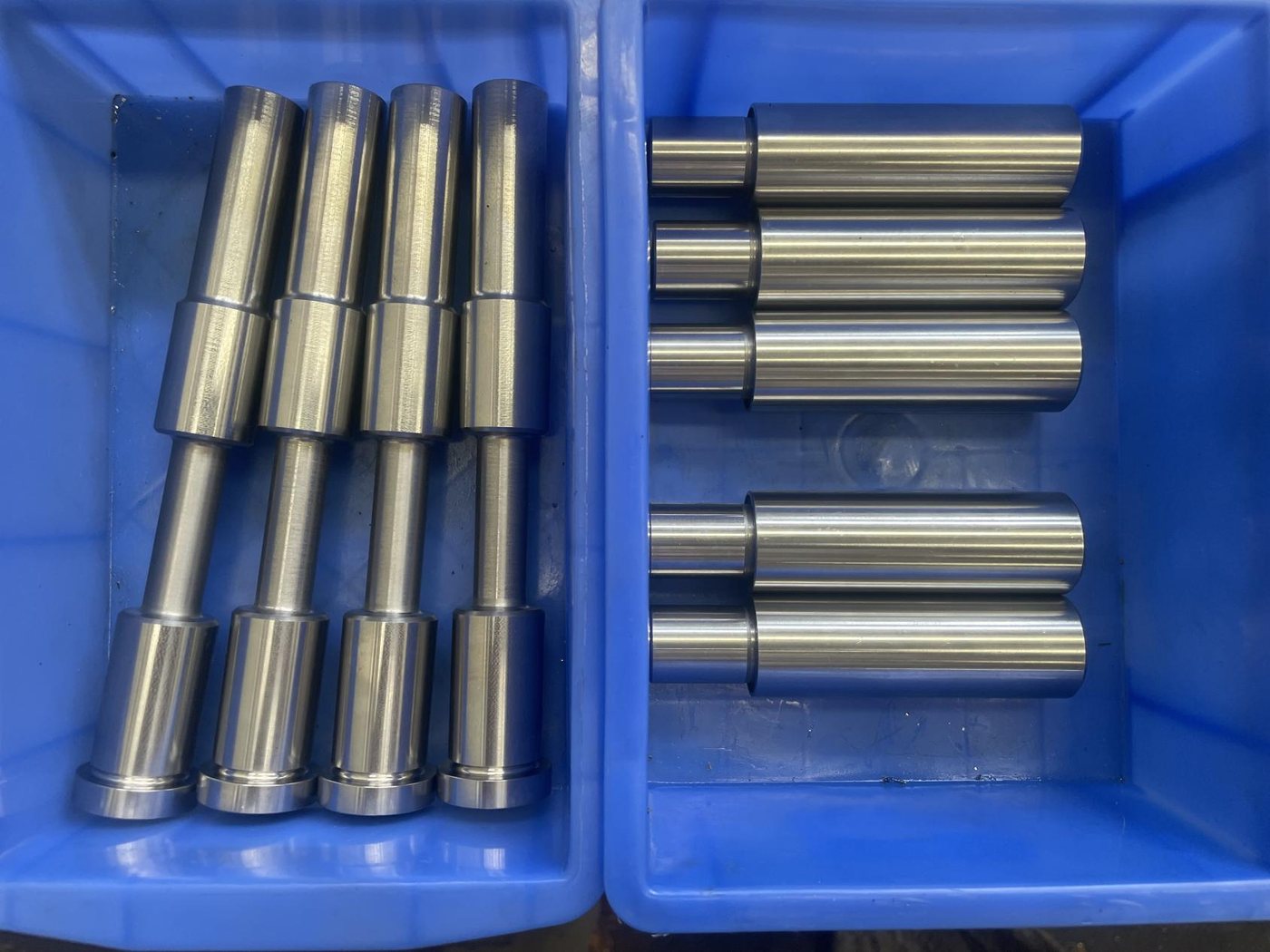
CNC Shaft Machining Process
The CNC shaft machining process starts with drawing review. We check the shaft shape, overall length, outside diameters, bore or hole features, threads, grooves, chamfers, material, tolerance notes, surface finish and inspection requirements. This review helps determine whether the part is suitable for CNC turning, whether secondary operations are needed and which features should be treated as critical.
- Drawing Review: confirm geometry, critical dimensions, thread notes and surface requirements.
- Material Confirmation: verify stainless steel, carbon steel, aluminum, brass or other specified material before quotation.
- CNC Turning: machine the main shaft diameters, shoulders and end features according to the drawing.
- Thread Machining: produce external or internal threads when required by the part design.
- Deburring: remove sharp edges and burrs that may affect assembly or handling.
- Inspection: review important dimensions, thread areas, surface condition and packing needs before shipment.
For round components and turned shaft features, the process is closely related to CNC Turning Services. If the project includes prototype quantities or repeat low-volume batches, our Small Batch CNC Machining page explains how quantity affects setup, inspection and production planning.
Materials for CNC Shafts
Material selection affects tool choice, machining time, surface finish, burr control and final cost. For CNC shafts, we commonly review requirements for stainless steel, carbon steel, aluminum and brass. The exact grade should be confirmed from the drawing or RFQ because different grades can change machining behavior and inspection expectations.
- Stainless Steel: used where corrosion resistance, strength or appearance is important.
- Carbon Steel: common for mechanical shafts, pins and industrial components.
- Aluminum: suitable for lightweight shafts and prototype components when the application allows.
- Brass: used for clean-machining components, small shafts or parts that require good machinability.
Challenges in Long Shaft Machining
Long shaft machining can be more difficult than standard CNC turning because slender parts may vibrate during cutting. Vibration control, support method, concentricity, straightness and surface finish all need attention. The drawing should clearly identify which diameters are functional, which surfaces are cosmetic and whether any straightness or runout-related requirements apply.
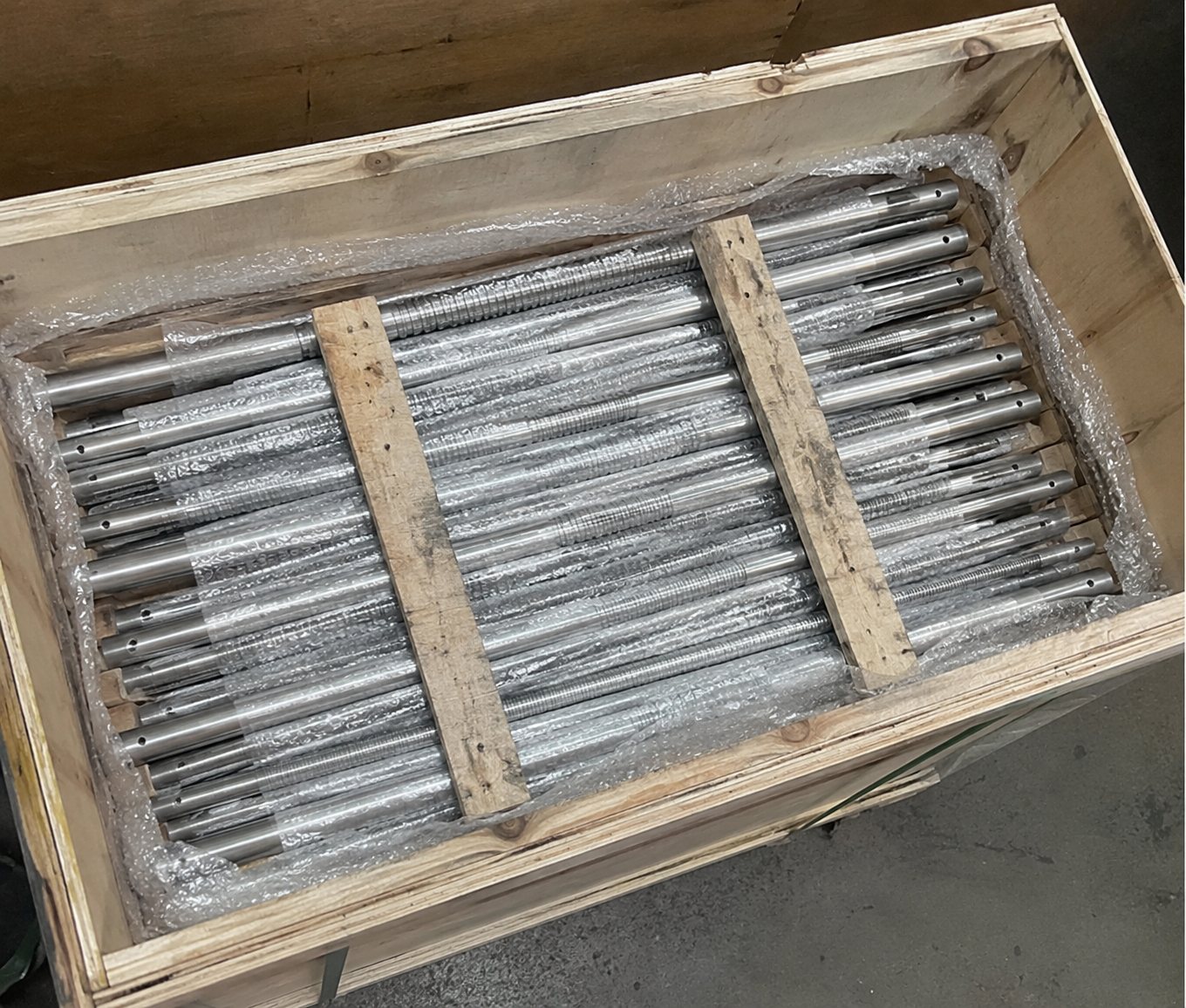
Packing is also part of the review for long shafts. A machined shaft can be damaged during handling if surface protection and support are not considered. For this reason, we review surface protection, edge condition and packing expectations before quoting long shaft machining or small batch shaft production.
Quality Control
Quality control for custom CNC shafts begins before machining. During RFQ review, we identify critical tolerances, fit-related diameters, thread requirements, surface finish and any dimensions that need special inspection attention. Dimensional inspection, critical tolerance review and drawing verification help reduce quotation changes and manufacturing risk.
We avoid making fixed tolerance promises without reviewing the actual drawing, material and geometry. For shaft parts, the inspection focus may include outside diameters, shoulder locations, thread quality, end features, burrs, surface damage, straightness-related notes and packing condition. Inspection reports can be discussed before production when required by the buyer.
If a shaft has several critical features, we recommend marking the most important dimensions on the drawing or in the RFQ message. This helps the engineering review separate functional requirements from general dimensions and makes the quotation process clearer for prototype, small batch and OEM shaft production.
Related Shaft Machining Cases
These representative case study pages show common shaft machining considerations for stainless steel shafts, long shafts and small batch production:
- 304 Stainless Steel Shaft CNC Turning Case Study
- Precision Long Shaft Machining Supplier
- Small Precision Turned Parts Manufacturer
Engineering Example
View our 304 Stainless Steel Shaft CNC Turning Case Study to see a representative drawing-based shaft machining example.
For quotation preparation, review our CNC drawing review process before sending shaft drawings or 3D models for RFQ.
Request a Precision Shaft Machining Quote
To prepare an accurate quotation, send your shaft drawing or 3D model together with material grade, quantity, tolerance notes, surface finish and inspection requirements. If you only have a sample photo, include key dimensions and the shaft application so that we can begin a practical review.
Get Quote for precision shaft machining from your drawing or sample photo.
Request A Quote: Send shaft drawings for RFQ review.
Frequently Asked Questions
What materials can be used for CNC shafts?
CNC shafts can be machined from stainless steel, carbon steel, aluminum, brass and other materials specified by the customer drawing. The exact material grade should be confirmed before quotation.
Can you manufacture custom shafts from drawings?
Yes. MasterCNC Precision supports custom machined shafts based on 2D drawings, 3D models or sample photos with key dimensions and material information.
Do you support prototype and small batch shaft production?
Yes. We support prototype shaft machining, engineering samples, small batch shaft production and repeat OEM manufacturing after drawing review.
What information is required for shaft machining quotation?
Please provide drawings or models, material grade, quantity, key tolerances, surface finish, thread requirements and inspection notes. This information helps prepare a more accurate precision shaft machining quotation.
Send Drawing for Practical Review
Upload PDF, DWG, DXF, STEP, STP, IGES, X_T, SLDPRT, JPG, PNG or ZIP files with material, quantity, tolerance and inspection notes.
Related CNC Machining Services
Review related capability, materials, typical parts, and RFQ requirements.
Review related capability, materials, typical parts, and RFQ requirements.
Review related capability, materials, typical parts, and RFQ requirements.
Review related capability, materials, typical parts, and RFQ requirements.
Review related capability, materials, typical parts, and RFQ requirements.