We support CNC milling for custom prismatic parts including housings, plates, brackets, mounting blocks, slots, pockets, holes, and tapped features.
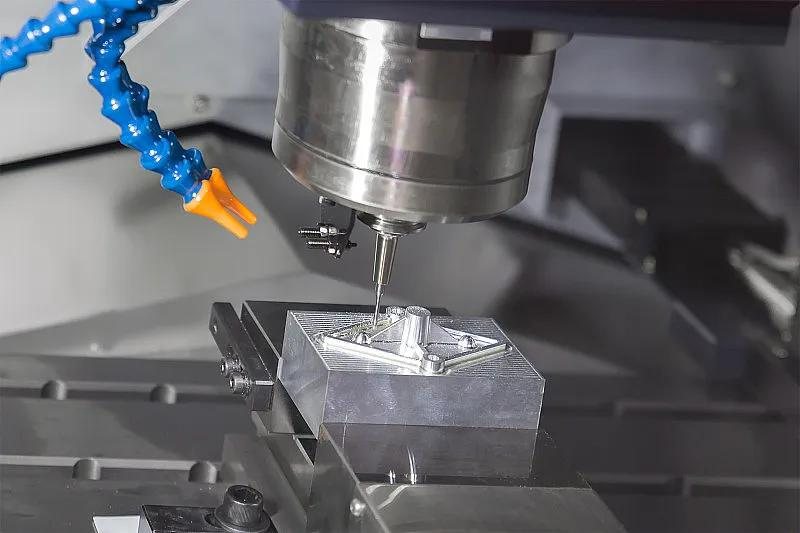
Milled Features
Pockets, holes, slots, tapped features, and datum surfaces are reviewed from the model and drawing.
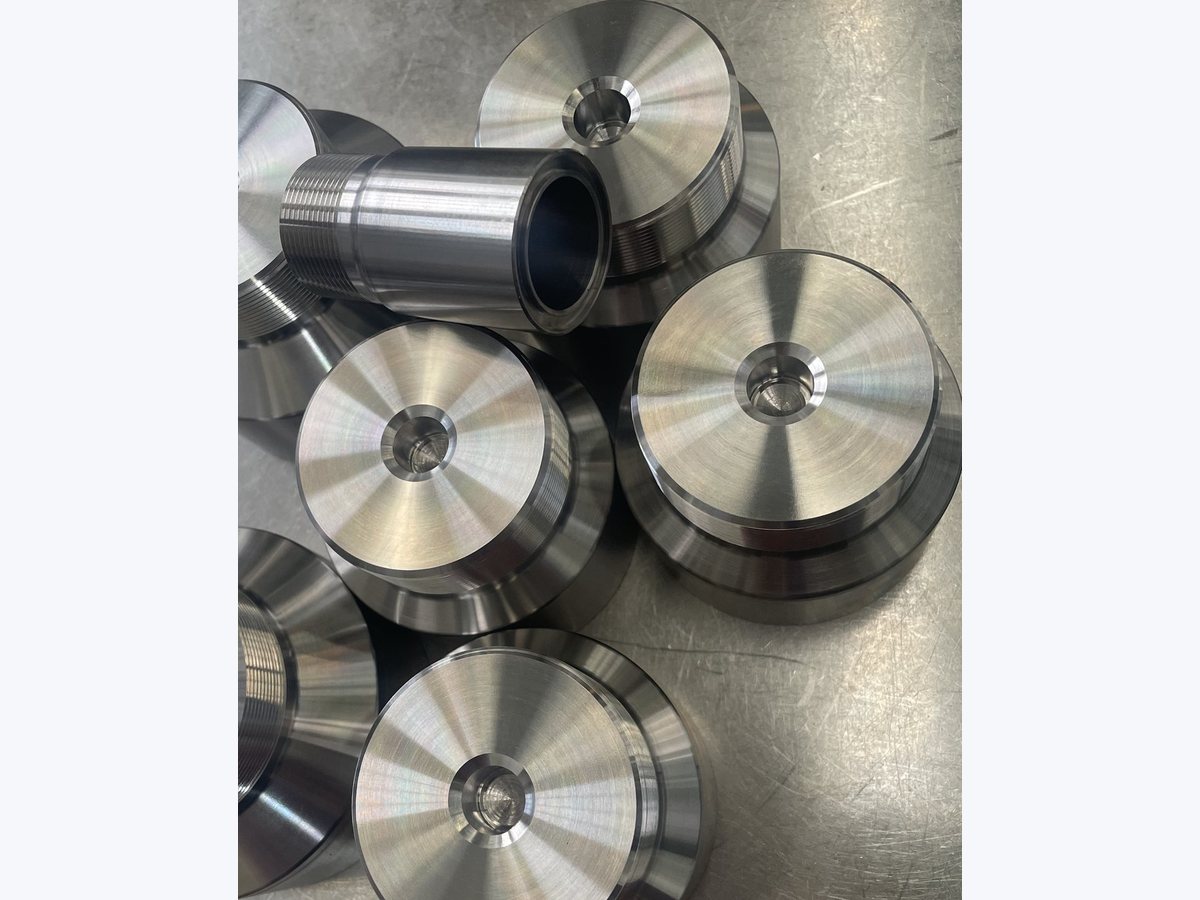
Combined Machining
Parts with turning and milling features are reviewed for setup sequence and inspection points.
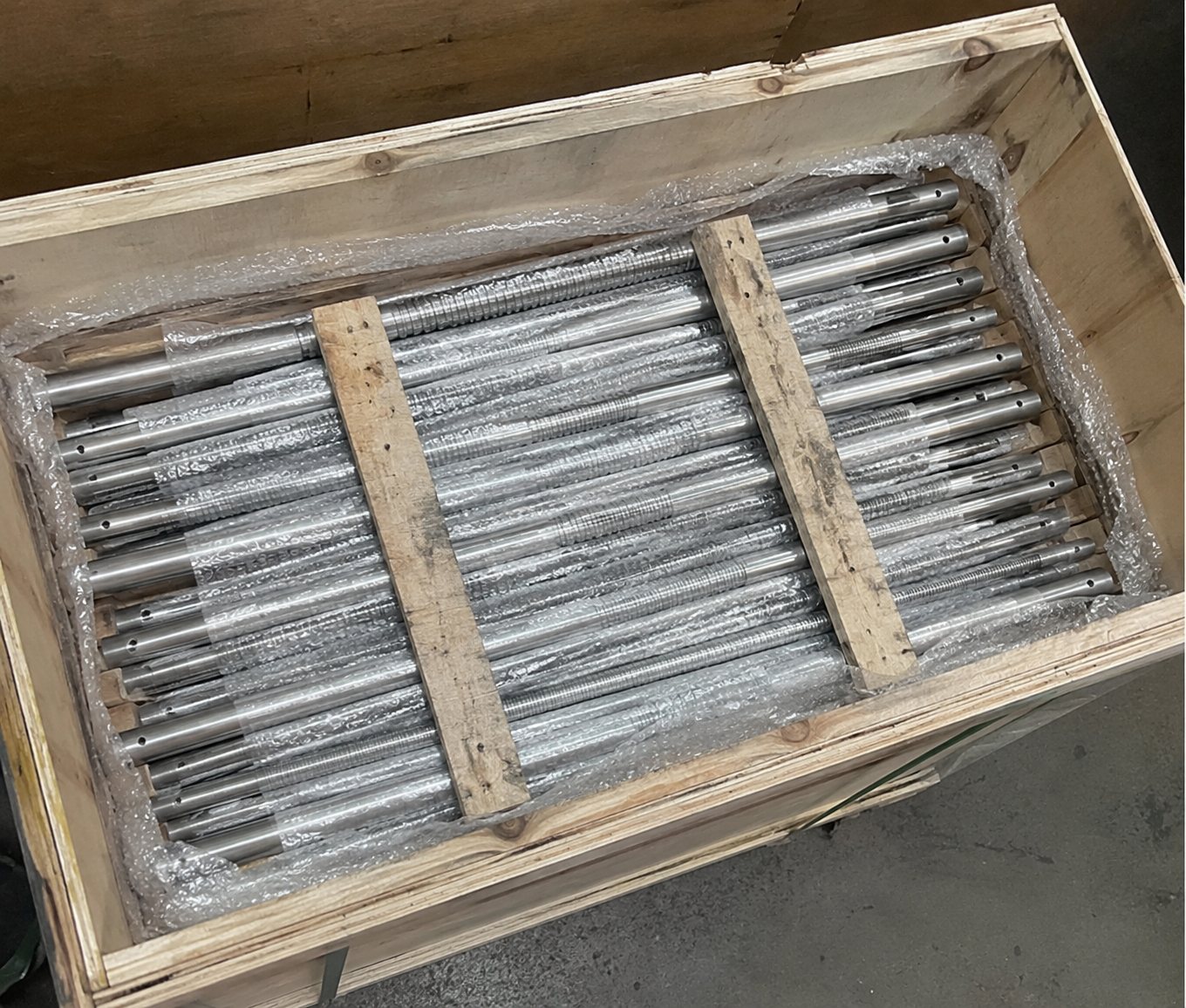
Packing Review
Surface protection and export packing needs are discussed before shipment.
What is this service
CNC milling is suitable for flat, pocketed, drilled, or multi-surface parts. We check machining access, wall thickness, corner radius, hole position, and fixture requirements before quotation.
What we can do
- Face milling, pocket milling, drilling, tapping, and slot machining
- Prototype and small batch aluminum part review
- Machining sequence and fixture feasibility review
- Dimensional and surface inspection before shipment
Materials
- Aluminum 6061 / 6063 / 7075
- Stainless steel
- Carbon steel
- Brass and copper alloys
- Engineering plastics after review
Tolerance / Precision
Typical milling tolerance depends on part size and setup. Tight hole position, thin walls, or deep pockets require drawing review.
Typical parts
- Aluminum housings
- Mounting plates
- Machine brackets
- Milled blocks
- Custom prototype components
Industries
- Automation equipment
- Electronics fixtures
- Machinery frames
- Prototype products
- OEM assemblies
Lead time
Quote timing is fastest when the RFQ includes 3D model, 2D drawing, material, surface finish, and batch quantity.
Buyer note
For milled parts, please identify critical mounting holes, flatness requirements, and cosmetic surface requirements.
RFQ Checklist
- 2D drawing with critical dimensions and tolerance notes.
- STEP, STP, IGES, PDF, DXF, DWG, or sample photos.
- Material grade, quantity, surface finish, and target delivery date.
- Thread standard, heat treatment, coating, or inspection report needs when required.
Inspection Focus
- Critical diameter, length, hole position, thread fit, or flatness according to drawing.
- Visual check for burrs, surface defects, scratches, and packing condition.
- Caliper, micrometer, gauges, thread gauges, or other suitable tools based on feature type.
- Inspection report can be discussed before production when buyers require documentation.
Engineering Notes Before Quotation
- Tight tolerance depends on material, geometry, feature size, setup method, and inspection method.
- Long shafts, thin walls, deep pockets, and complex threads need manufacturability review before price confirmation.
- Separate critical and non-critical dimensions to avoid unnecessary machining cost.
- Complete RFQ information helps us review cost, lead time, and production risk faster.
Related CNC Machining Pages
Get Quote
Upload STEP, STP, PDF, DXF, DWG, IGES, ZIP files, or sample photos. Include material, quantity, tolerance, surface finish, and target delivery requirements for practical review.
Send Drawing for Practical Review
Upload PDF, DWG, DXF, STEP, STP, IGES, X_T, SLDPRT, JPG, PNG or ZIP files with material, quantity, tolerance and inspection notes.
Related CNC Machining Services
Review related capability, materials, typical parts, and RFQ requirements.
Review related capability, materials, typical parts, and RFQ requirements.
Review related capability, materials, typical parts, and RFQ requirements.
Review related capability, materials, typical parts, and RFQ requirements.
Review related capability, materials, typical parts, and RFQ requirements.