CNC milling and CNC turning are both subtractive machining methods, but they are used for different part shapes and production requirements.
How it works
The drawing is reviewed first, then the suitable turning, milling, drilling, threading, or finishing process is selected. Material, tolerance, surface finish, and quantity all affect the production route.
Applications
- flat plates
- housings
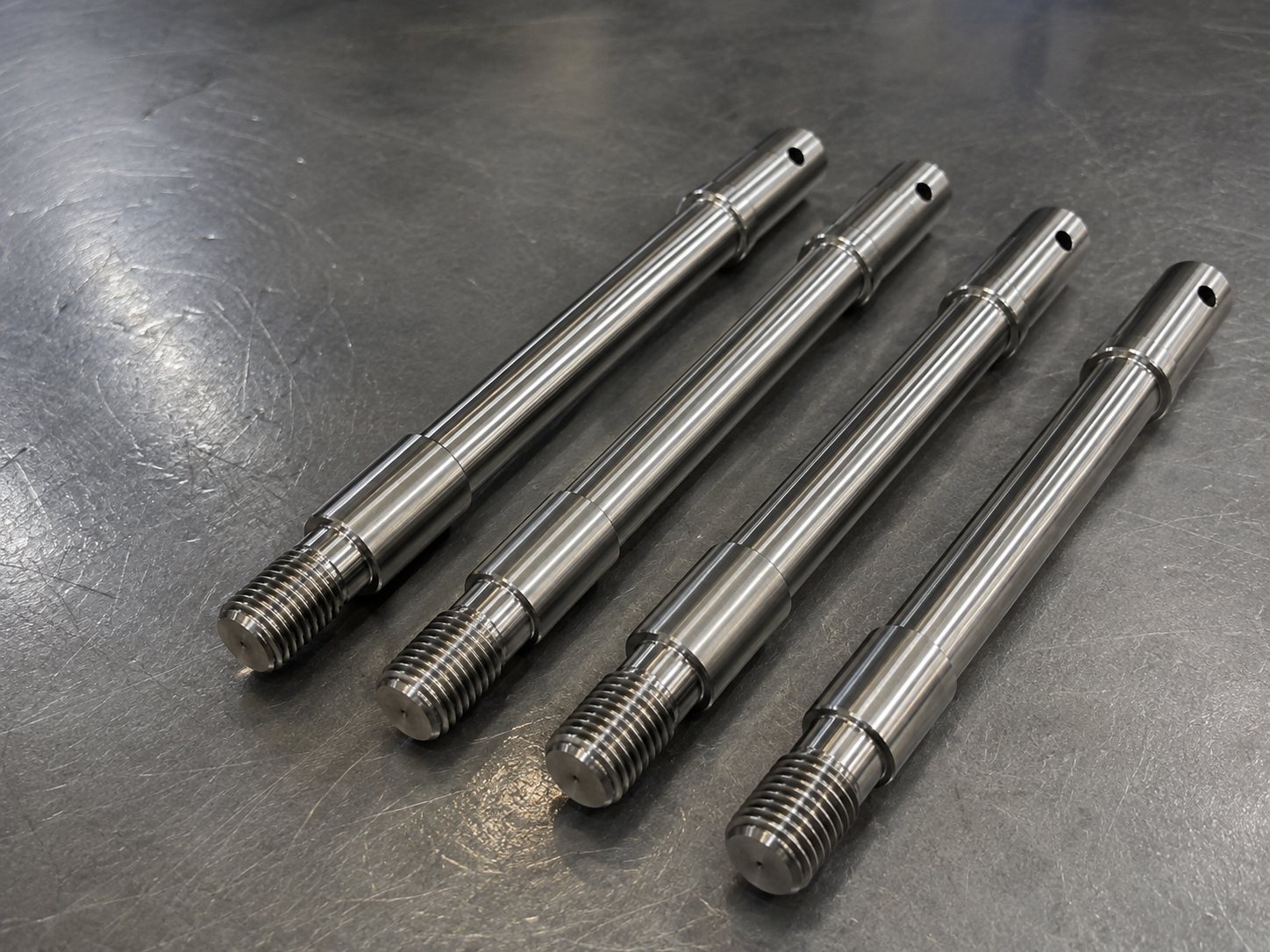
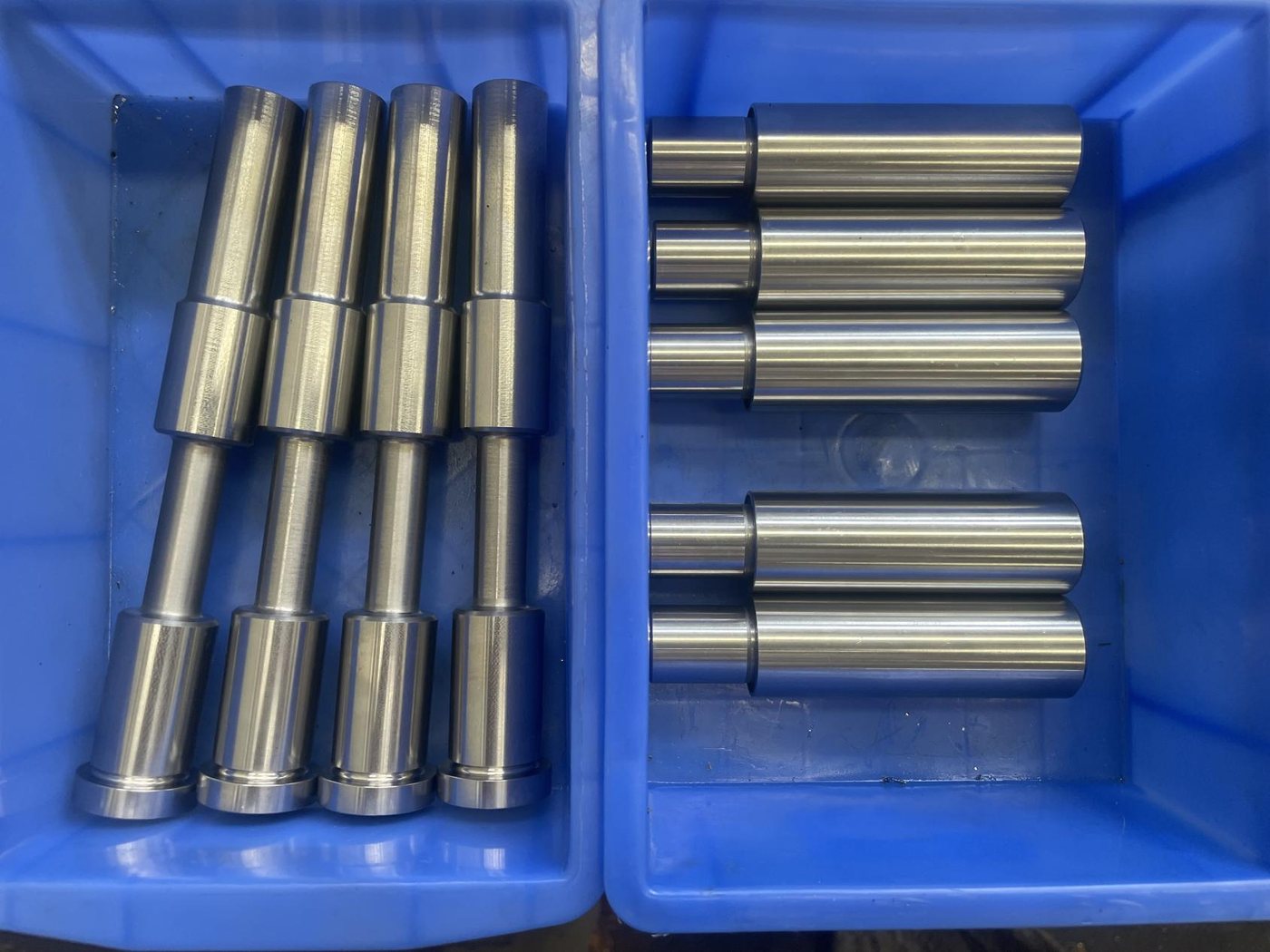
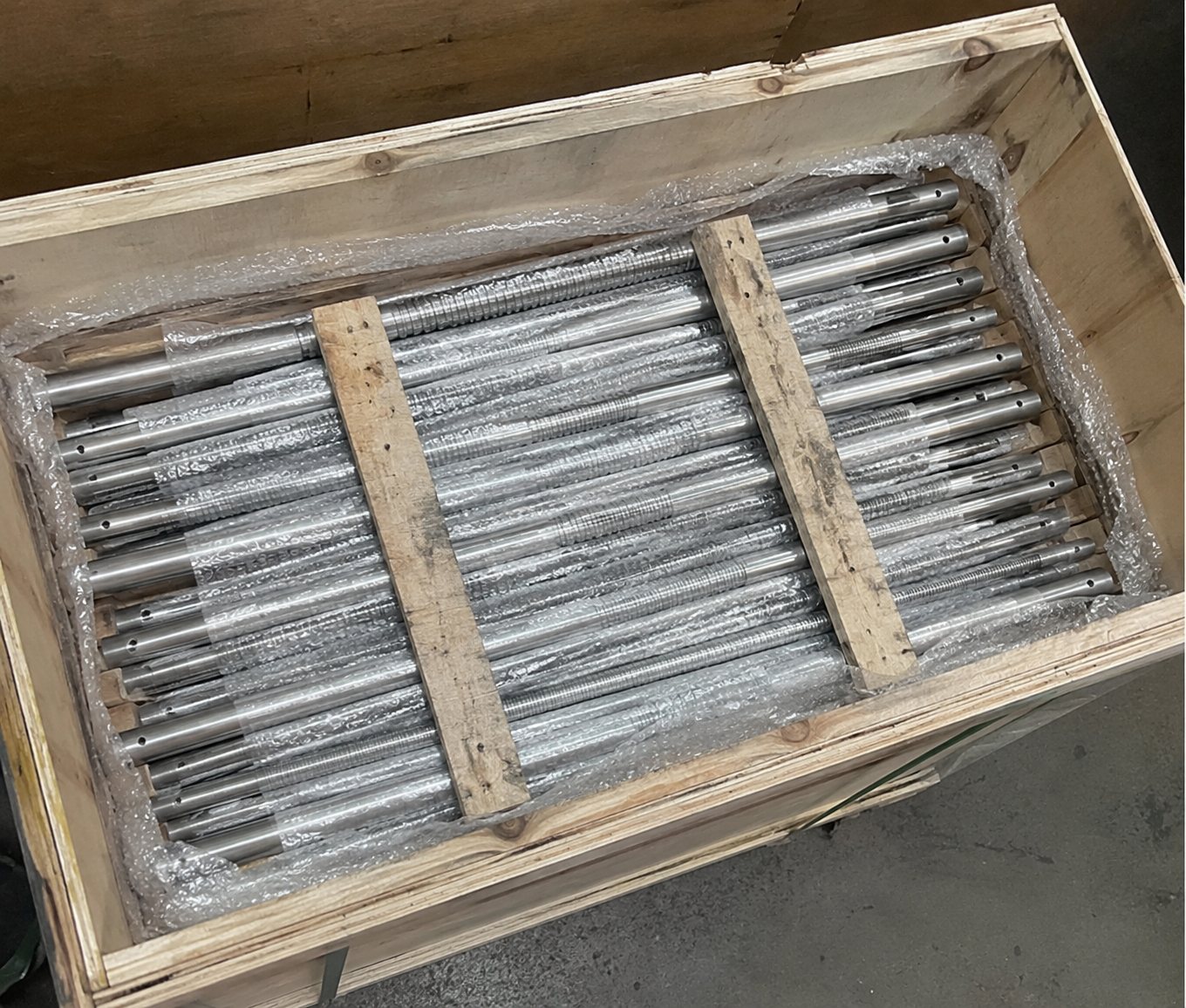
- shafts
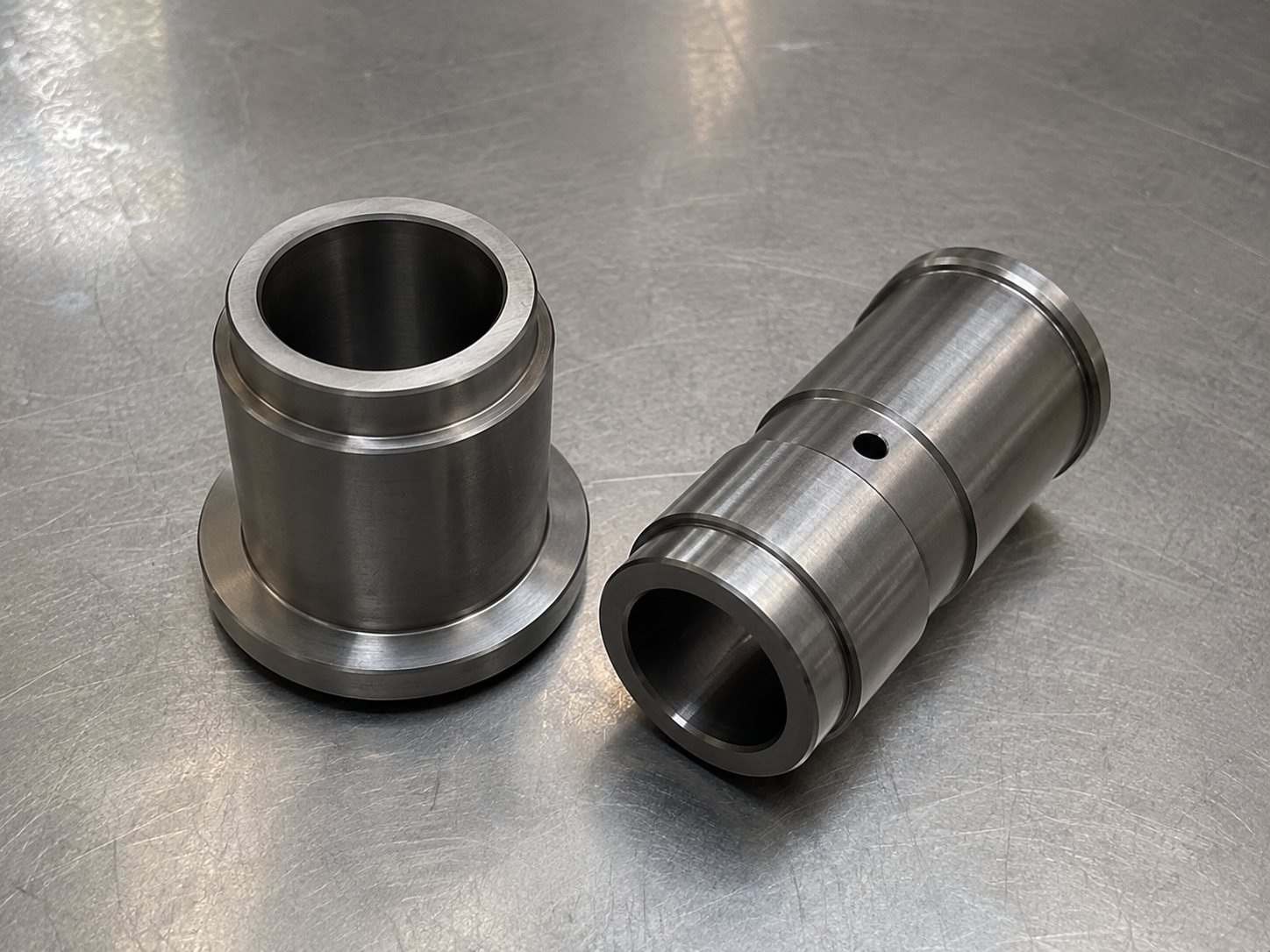
- round sleeves
- custom metal parts for industrial equipment
Why it matters for buyers
OEM buyers need clear communication before production. A realistic supplier should confirm manufacturability, tolerance risk, lead time, and inspection method before accepting an order.
Milling vs turning
Turning is usually selected for round components such as shafts, pins, and bushings. Milling is better for blocks, slots, pockets, and flat features. Many custom parts require both processes.
Related service: CNC milling services. See also our CNC machining case studies.
Get Quote
Upload your drawing to get a practical quotation. We review material, tolerance, quantity, and machining risks before pricing.
Need a Quote for Custom CNC Parts?
Send your drawing, material, quantity, tolerance, and application requirements. We usually reply within 24 hours after reviewing your files.
Related CNC Machining Pages
Use these pages to compare similar part types, machining processes, materials, and RFQ preparation notes before sending a drawing.